

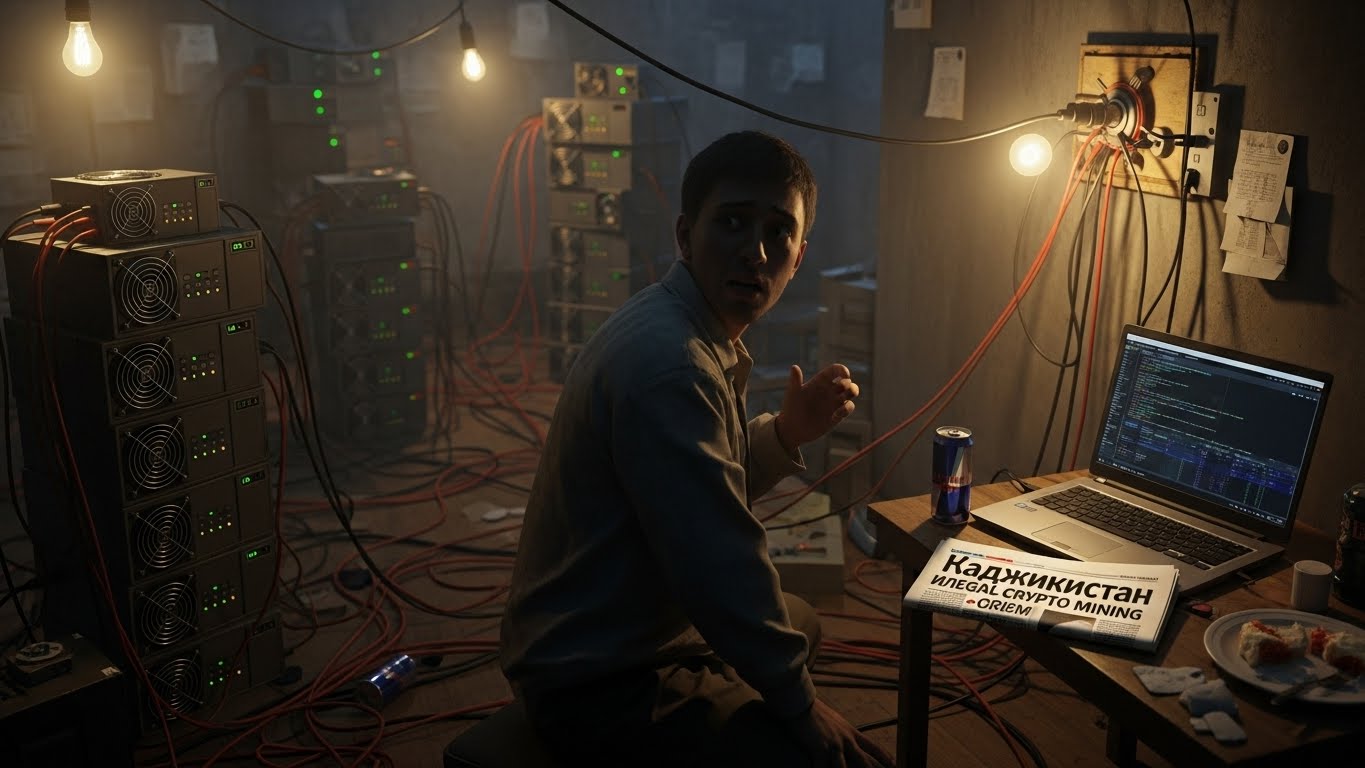
Tajikistan has taken a firm step in reshaping the future of digital asset activity within its borders by officially declaring cryptocurrency mining with stolen or illegally consumed electricity a criminal offense. This move marks a significant moment for the nation as it attempts to assert stronger government control, protect its fragile energy infrastructure, and bring clarity to the rapidly evolving world of cryptocurrency mining, blockchain technology, and virtual assets. As global interest in digital currencies expands, countries across Central Asia are increasingly pressured to strike a balance between technological advancement and the protection of domestic resources. Tajikistan’s new criminal classification reflects this broader global trend and signals the government’s intent to regulate the mining sector with Tajikistan classifies cryptocurrency mining.
The rise of Bitcoin mining, Ethereum mining, and other proof-of-work activities has created a heavy demand for electricity. For nations with limited energy infrastructure, this sudden surge in consumption can create severe pressure on grids already struggling to support industrial and residential needs. Tajikistan, like several of its regional neighbors, has faced challenges with illegal electricity usage, unauthorized mining operations, and stress on power distribution networks. By criminalizing mining conducted with stolen electricity, Tajikistan aims to deter unlawful operations, preserve energy supply, and encourage a more controlled and transparent environment for digital innovation.
This article explores the legal implications, economic motivations, regulatory objectives, and broader consequences of Tajikistan’s decision. It examines how the government intends to enforce these measures, how miners may respond, and how this development fits into the larger narrative of global crypto regulation. Through a deep dive into policy frameworks and regional trends, readers will gain a clear understanding of why Tajikistan has taken this path and what it means for the future of crypto mining and digital financial activity in the country.
Tajikistan’s New Criminal Classification Explained
Tajikistan’s decision to classify cryptocurrency mining using stolen electricity as a criminal act marks a sharp escalation from previous administrative penalties. Before this regulatory update, unauthorized mining was generally treated as a civil or administrative violation. Miners caught operating secretly often faced fines or equipment seizures. However, the continued rise in underground mining operations, paired with increased strain on the national power grid, compelled authorities to rethink their approach.
By defining this offense as criminal, the state introduces far more severe penalties, including potential imprisonment, larger fines, or long-term bans from participating in digital financial activities. The government has expressed concerns that illegal mining represents not just an economic threat but also an infrastructural risk. Many underground miners bypass official power meters, overload local grids, and cause power disruptions in residential neighborhoods. These activities can contribute to blackouts, equipment damage, and instability in power distribution.
The new legal classification is intended to discourage miners from exploiting Tajikistan’s relatively low electricity costs. Unlike some nations that provide affordable power as an incentive for industrial development, Tajikistan’s low energy pricing is a product of limited economic capacity and infrastructure. The government views the unauthorized consumption of electricity for activities like Bitcoin mining as an abuse of national resources. By elevating the consequences, Tajikistan aims to protect its electrical system and maintain reliable access for citizens.
Why Tajikistan Is Targeting Illegal Crypto Mining
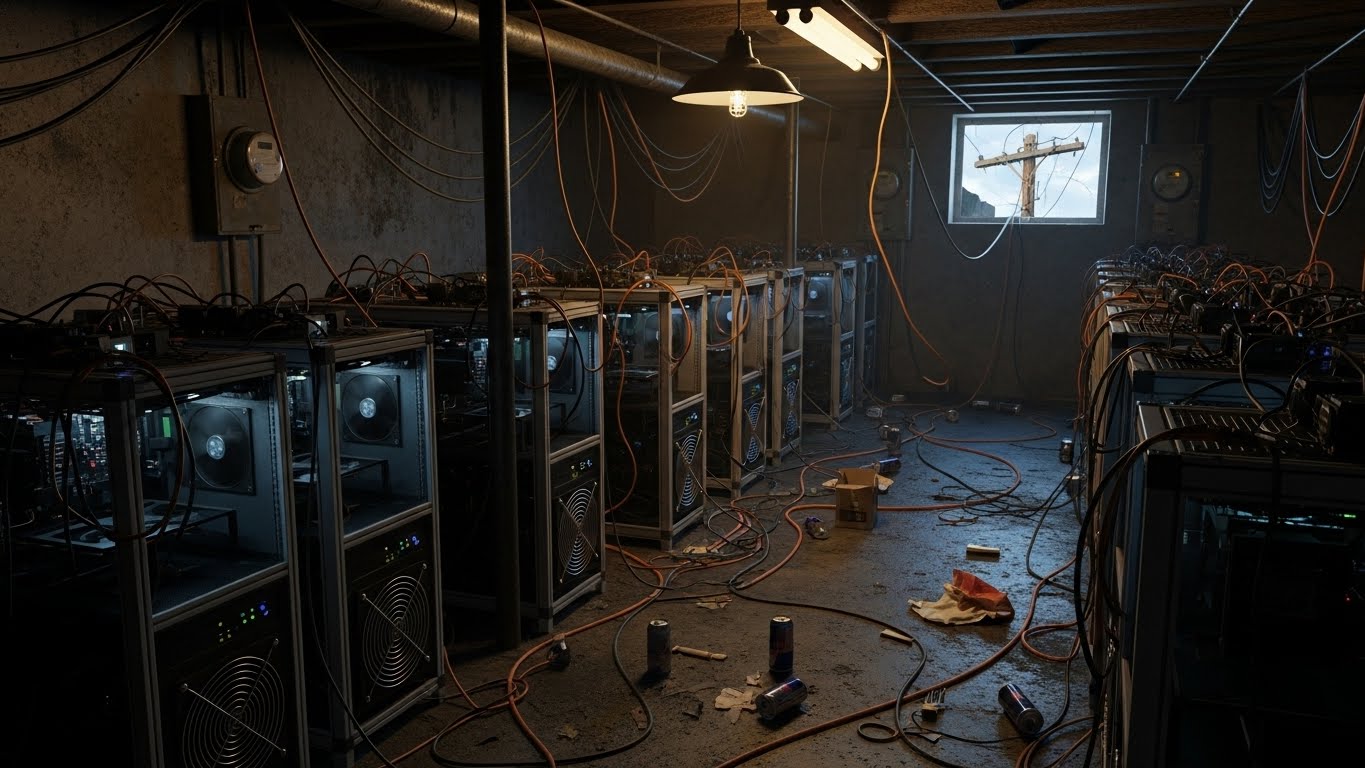
To understand the rationale behind this shift, it is essential to consider the broader landscape of Tajikistan’s energy industry. Tajikistan generates much of its power from hydropower sources, yet still experiences seasonal shortages and distribution challenges. During winter months, rural regions frequently face electricity rationing. Illegal crypto mining exacerbates these shortages, causing increased public frustration and potential political consequences.
Mining farms require substantial electricity to operate continuously. The more miners manipulate or steal electricity, the more pressure they place on the national energy grid. This is particularly problematic in areas where infrastructure is outdated. Officials have repeatedly warned that illegal mining risks destabilizing the system, leading to voltage drops, transformer damage, and reduced energy access for essential services.
Beyond infrastructure concerns, Tajikistan is also working to enhance its regulatory reputation. As global financial systems move toward stricter oversight of virtual currencies, Tajikistan wants to avoid becoming a hub for illicit activities. By demonstrating commitment to law enforcement and financial order, the government hopes to attract legitimate investors and digital innovators who prioritize compliance and regulated growth.
The crackdown is also aligned with regional trends. Several Central Asian countries, including Kazakhstan and Uzbekistan, have adopted tougher regulations on mining. Tajikistan is joining its neighbors in establishing a structured framework for crypto mining regulation and preventing illegal use of electricity resources.
How Cryptocurrency Mining Works and Why It Consumes So Much Electricity
Cryptocurrency mining, particularly for proof-of-work blockchains like Bitcoin, requires solving complex mathematical puzzles. Miners use specialized hardware to compete for rewards, earning digital coins when they successfully validate a block of transactions. This process secures the blockchain network and ensures transparency and immutability, but it demands high computational power.
The machines used for mining, such as ASIC miners, operate around the clock. Their intensive computational workload results in massive electricity consumption. In areas where electricity prices are low, mining can be profitable. However, when miners attempt to reduce costs even further by stealing electricity, the economic calculations change dramatically.
Illegal mining setups often involve bypassing meters, tapping into public lines, or modifying transformers. These setups are dangerous, both for the miners themselves and for the community. Electrical fires, overloaded circuits, and power outages become much more likely. Tajikistan’s classification of stolen-electricity mining as a criminal offense is an attempt to eliminate such risky and damaging practices.
The Role of Government Oversight in Tajikistan’s Digital Economy
Tajikistan is gradually constructing a digital policy framework that aligns with international standards. While the nation is still early in its adoption of digital assets, the government recognizes that the future of finance is evolving. The rise of virtual currencies, blockchain-based payment systems, and tokenized assets demands attention from lawmakers who must protect the economy while embracing modernization.
The enforcement of criminal penalties for illegal mining is a component of this broader strategy. Authorities want to build an environment where legitimate blockchain activity can flourish. To accomplish this, they need to ensure that the energy sector remains stable and functional. Illegal mining threatens this objective, as it drains resources without contributing to economic growth or tax revenues.
Government oversight also sends a message to international observers. Tajikistan wants to demonstrate that it is committed to maintaining rule of law in the digital finance space. This may help attract partnerships, foreign investments, and collaborations with global financial institutions. By promoting regulatory compliance and discouraging illicit activity, Tajikistan positions itself as a country ready to participate in the next wave of digital innovation.
Reactions from the Crypto Community
The crypto community in Tajikistan is responding to these developments with mixed emotions. Some local miners express concern that the criminalization of stolen electricity may lead to broader crackdowns on mining activities, even those that operate legally. They worry that enforcement may be inconsistent, overly aggressive, or unclear. Transparent regulations and clear licensing pathways will be essential to reducing these fears.
On the other hand, many members of the community support the government’s decision. They argue that illegal miners create unfair competition and damage public perception of the industry. Those who invest in proper equipment, pay for electricity legitimately, and comply with regulations want an equal playing field. Criminalizing stolen-electricity mining helps protect legitimate participants and prevents the industry from being dominated by underground operations.
International observers note that Tajikistan’s stance reflects a growing global shift toward stricter oversight of energy-intensive digital activities. While some believe the crackdown may temporarily reduce mining activity in the region, others think it could pave the way for a better-regulated and more transparent ecosystem.
The Economic Impact of Criminalizing Illegal Mining
The economic implications of Tajikistan’s decision are significant. Illegal mining has historically burdened the nation’s power infrastructure and diverted electricity away from essential sectors. By addressing this issue, the government hopes to improve energy reliability, enhance productivity, and safeguard industrial growth.
Stopping illegal mining may also open the door to legitimate mining businesses that are willing to operate responsibly. These businesses could contribute to tax revenues, create jobs, and stimulate technological development. Tajikistan has the potential to attract regulated mining operations if it clearly defines energy usage policies, licensing guidelines, and infrastructure requirements.
However, the short-term impact may include a reduction in mining output. Many underground operations may shut down to avoid penalties, and new miners may hesitate until regulations are clarified. The government must balance enforcement with guidance to ensure that the industry can transition smoothly toward transparency.
Enforcement Strategies and Penalties
Criminalizing illegal mining is only effective if supported by strong enforcement mechanisms. Tajikistan is expected to introduce additional monitoring technologies, including smart meters, inspection teams, and energy surveillance systems. Power companies may collaborate closely with law enforcement to identify unusual consumption patterns that indicate hidden mining operations.
Penalties will likely include fines proportional to the amount of electricity stolen, confiscation of mining equipment, and imprisonment for repeat offenders or large-scale operations. These measures are designed to discourage illegal activity while sending a strong message about the seriousness of the offense. Public awareness campaigns may also play a key role. Educating citizens about the risks of illegal mining and the importance of energy conservation can help build community support for enforcement efforts.
Tajikistan’s Position in the Global Regulatory Landscape

Globally, governments are grappling with the challenge of regulating cryptocurrency mining. Some nations welcome mining as a source of economic activity. Others restrict or ban it due to environmental concerns or energy limitations. Tajikistan’s new criminal classification aligns it with countries that prioritize energy protection and infrastructure stability.
China famously banned all forms of cryptocurrency mining, forcing miners to relocate to other regions. Kazakhstan imposed strict rules on energy consumption and licensing. Uzbekistan created a legal framework for government-approved mining but banned unlicensed operations. Tajikistan’s move is part of this broader regional trend toward structured oversight. While Tajikistan is not banning mining altogether, it is setting a precedent by criminalizing illegal electricity use. This approach attempts to preserve the industry’s potential while curbing abuses that harm public infrastructure.
Future Outlook for Tajikistan’s Crypto Mining Sector
The future of cryptocurrency mining in Tajikistan will depend on how effectively the government balances enforcement with support for legitimate innovation. Clear guidelines for legal mining, transparent licensing systems, and incentives for renewable-energy-based mining could help the industry grow responsibly.
As global interest in blockchain technology expands, Tajikistan has an opportunity to position itself as a regional hub for regulated digital activity. However, this requires a forward-thinking approach that embraces technological progress while safeguarding national resources. If implemented carefully, the government’s actions may create a more stable environment for miners, investors, and developers. The next few years will be crucial in determining whether Tajikistan becomes a leader in the region or remains cautious and restrictive.
Conclusion
Tajikistan’s decision to classify cryptocurrency mining with stolen electricity as a criminal offense represents a major turning point in the nation’s digital asset regulation. By targeting illegal activity, the government aims to protect its strained energy infrastructure, promote lawful innovation, and build a trustworthy foundation for future technological growth. While the policy may present challenges for underground miners, it opens new opportunities for regulated and responsible mining operations. As global demand for digital currencies and blockchain technology continues to rise, Tajikistan is positioning itself to navigate this evolving landscape with caution, clarity, and strengthened oversight. The long-term success of this initiative will depend on enforcement, transparency, and collaboration between authorities and the crypto community.
FAQs
Q: Why did Tajikistan decide to criminalize cryptocurrency mining with stolen electricity?
Tajikistan made this decision due to increasing pressure on its national energy grid from unauthorized mining operations. Stolen electricity caused equipment failures, outages, and destabilization of power distribution. The government also wants to align with global regulations, prevent illegal financial activity, and protect essential resources.
Q: How will this new law affect legal cryptocurrency miners in Tajikistan?
Legal miners will likely benefit, as enforcement against illegal operators reduces unfair competition and helps stabilize electricity supply. However, miners may need to comply with additional regulations, licensing requirements, or energy-usage monitoring systems to continue operating without penalty.
Q: What penalties might individuals face under this new criminal classification?
Penalties may include fines, seizure of mining equipment, or imprisonment depending on the scale of the offense. Repeat offenders or operators of large illegal mining farms may face more severe consequences. The intent is to deter illegal activity and protect public infrastructure.
Q: How does Tajikistan’s crackdown compare with other countries in the region?
Tajikistan’s move is similar to actions taken by Central Asian neighbors like Kazakhstan and Uzbekistan, which have tightened control over mining due to power shortages and illegal operations. Tajikistan is not banning mining but is clearly reinforcing oversight.
Q: What is the long-term outlook for cryptocurrency mining in Tajikistan?
The long-term outlook depends on how the government balances regulation with support for lawful innovation. If clear guidelines and licensing frameworks are established, Tajikistan may attract legitimate mining operations. Responsible regulation could position the country as a controlled yet competitive environment for blockchain development.
