


Metaverse startups made a big splash five years ago, capturing global attention with bold promises of virtual worlds, digital economies, and immersive online identities. Venture capital poured in, major brands rushed to claim virtual land, and the concept of a persistent digital universe entered mainstream conversations. Headlines predicted a future where work, entertainment, commerce, and social life would seamlessly merge inside interconnected virtual environments.
Fast forward five years, and the hype has undeniably cooled. Many early metaverse startups have gone quiet, pivoted, or disappeared altogether, while a smaller group has continued building quietly away from the spotlight. This shift has raised an important question for investors, developers, and users alike: where are metaverse startups now, and what lessons can be drawn from their journey?
This article takes an in-depth look at what happened after the initial metaverse boom, examining how metaverse startups, virtual reality platforms, Web3 virtual worlds, and immersive digital ecosystems evolved over the past five years. By exploring successes, failures, pivots, and long-term implications, this analysis provides a clear picture of the current state of the metaverse and what may lie ahead.
The Metaverse Boom Five Years Ago
Why Metaverse Startups Exploded in Popularity
Five years ago, the metaverse concept aligned perfectly with multiple converging trends. Advances in virtual reality hardware, blockchain technology, gaming engines, and cloud computing created the impression that immersive digital worlds were finally ready for mass adoption. Metaverse startups promised persistent online spaces where users could socialize, work, trade digital assets, and express identity beyond traditional social media.
The timing was critical. Global shifts toward remote work and digital interaction amplified interest in alternative online environments. Investors saw metaverse startups as the next evolution of the internet, often described as Web3 or the spatial web. This narrative fueled rapid funding rounds and sky-high valuations, sometimes before products were fully developed.
Venture Capital and Corporate Frenzy
During the peak of the hype cycle, venture capital firms aggressively backed metaverse startups, fearing they would miss the next major platform shift. Large technology companies also announced metaverse initiatives, lending legitimacy to the space. This corporate involvement encouraged smaller startups to scale quickly, often prioritizing user acquisition and marketing over sustainable business models. The result was an overcrowded ecosystem where dozens of platforms competed to become the dominant virtual world. While innovation flourished, expectations grew faster than the technology could realistically deliver.
The Reality Check That Followed
User Adoption Fell Short of Expectations
One of the biggest challenges metaverse startups faced was slower-than-expected user adoption. While early adopters explored virtual worlds out of curiosity, mainstream users often found the experiences cumbersome, hardware-dependent, or lacking compelling reasons to return regularly.
High-quality virtual reality headsets remained expensive and uncomfortable for extended use, limiting accessibility. As a result, daily active users on many platforms failed to match the optimistic projections presented during fundraising stages. This gap between expectations and reality forced startups to reassess their strategies.
Monetization Struggles in Virtual Worlds
Monetization proved another major hurdle. Many metaverse startups relied heavily on digital land sales, NFTs, or speculative virtual assets to generate revenue. While these models worked briefly during periods of market enthusiasm, they struggled to sustain long-term value once speculative interest declined.
Without consistent revenue from subscriptions, enterprise services, or in-world commerce, several startups found themselves burning through cash with limited paths to profitability. This financial pressure accelerated shutdowns, layoffs, and strategic pivots.
Survivors, Pivots, and Quiet Builders
Startups That Managed to Survive
Not all metaverse startups failed. Some survived by adjusting expectations, reducing scope, and focusing on specific use cases. Rather than building massive open-ended worlds, these companies narrowed their focus to gaming, virtual events, education, or enterprise collaboration. By targeting niche audiences, surviving startups were able to build more engaged communities and sustainable revenue streams. Their progress may have been slower, but it was grounded in practical demand rather than speculative hype.
Strategic Pivots Toward Practical Applications
A significant number of metaverse startups pivoted away from consumer-facing virtual worlds altogether. Some transitioned into providing infrastructure, such as development tools, avatar systems, or virtual collaboration software. Others shifted toward augmented reality, digital twins, or simulation technologies used in industrial and professional contexts.
These pivots reflect a broader realization that immersive technologies are more immediately valuable as tools rather than as standalone social universes. By aligning with real-world needs, these startups improved their chances of long-term relevance.
The Role of Blockchain and Web3 in the Metaverse

Decentralization Dreams Versus Practical Challenges
Blockchain played a central role in early metaverse narratives, enabling digital ownership, decentralized governance, and tokenized economies. However, integrating blockchain seamlessly into immersive environments proved more complex than anticipated.
High transaction costs, scalability limitations, and user experience issues slowed adoption. Many users were more interested in seamless interaction than managing wallets and private keys. As a result, some metaverse startups reduced their reliance on blockchain or adopted hybrid models combining centralized and decentralized elements.
What Remains of Web3 Metaverse Visions
Despite setbacks, Web3 concepts did not disappear entirely. Digital ownership and interoperable assets remain appealing ideas, particularly in gaming and creator economies. Some startups continue experimenting with decentralized identity and asset portability, albeit with more cautious expectations. The current approach emphasizes usability and value first, with decentralization as a supporting feature rather than the primary selling point.
Corporate Metaverse Initiatives and Their Influence
Big Tech’s Changing Priorities
Large technology companies that once championed the metaverse have also adjusted their focus. While investment in immersive technologies continues, it is often framed around productivity tools, mixed reality, and AI integration rather than fully virtual social worlds. This shift has influenced the startup ecosystem by redefining what success looks like. Instead of building parallel digital societies, startups are now encouraged to enhance existing workflows and experiences.
Impact on Startup Ecosystems
Corporate retrenchment reduced the flow of easy funding into metaverse startups, but it also removed unrealistic pressure to scale prematurely. Remaining companies are now operating in a more disciplined environment, where progress is measured by tangible value rather than hype-driven metrics. This maturation phase may ultimately benefit the industry by fostering sustainable innovation.
Lessons Learned From the Metaverse Boom
Technology Readiness Matters
One of the clearest lessons from the past five years is that vision must align with technological readiness. Many metaverse startups attempted to deliver experiences that required hardware, bandwidth, and user behavior that were not yet widespread. Future innovation in immersive environments is likely to succeed when it builds incrementally on existing technologies rather than leaping too far ahead of adoption curves.
Community and Use Cases Over Speculation
Another key takeaway is the importance of genuine use cases and engaged communities. Platforms that focused primarily on speculative asset sales struggled once enthusiasm waned. In contrast, those that prioritized meaningful interaction, creativity, or productivity built stronger foundations. This shift underscores the need for value-driven design rather than hype-driven growth.
Where Metaverse Startups Are Today
A Smaller but More Focused Landscape
Today, the metaverse startup landscape is smaller but more focused. Many of the weaker projects have exited, leaving behind companies with clearer visions and realistic goals. These startups are less likely to dominate headlines but more likely to deliver steady progress. The emphasis has moved toward quality experiences, cross-platform accessibility, and integration with existing digital ecosystems.
Gradual Progress Instead of Grand Promises
Rather than promising to replace the internet or reshape society overnight, current metaverse initiatives emphasize gradual improvement. Virtual collaboration tools, immersive training programs, and hybrid digital experiences are gaining traction. This pragmatic approach reflects a healthier industry mindset grounded in long-term development.
The Future Outlook for the Metaverse
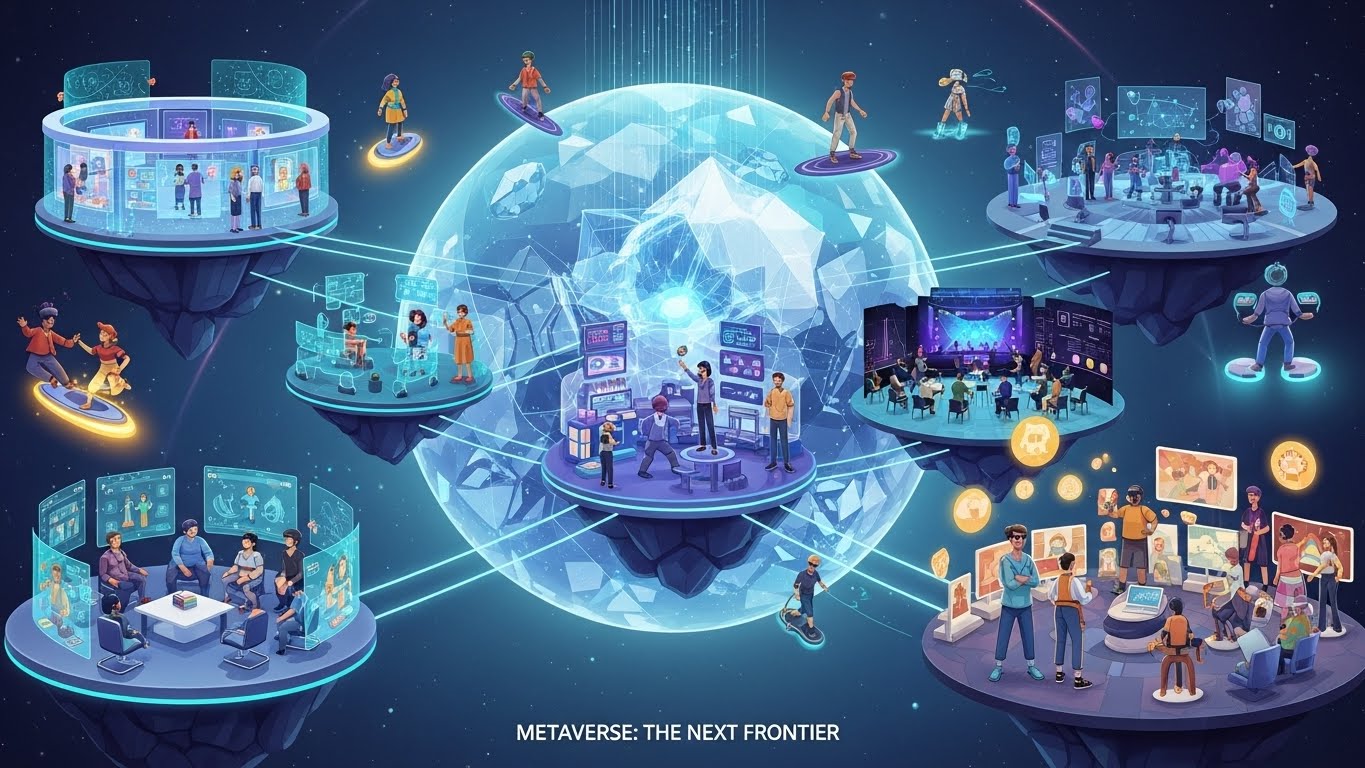
Will the Metaverse Make a Comeback?
The metaverse is unlikely to disappear entirely. Instead, it is evolving into a collection of technologies and experiences rather than a single unified vision. As hardware improves and user expectations mature, immersive digital environments may become more commonplace. However, future growth is expected to be incremental, driven by real-world utility rather than speculative excitement.
How Startups Are Positioning for the Next Phase
Metaverse startups that remain active are positioning themselves at the intersection of immersive tech, AI, and productivity. By focusing on tangible benefits and scalable solutions, they aim to stay relevant regardless of shifting narratives. The next phase of the metaverse will likely look quieter, more practical, and more integrated into daily digital life.
Conclusion
Metaverse startups made a big splash five years ago, fueled by bold visions, abundant capital, and widespread curiosity. Since then, the industry has undergone a significant transformation. Many early projects failed or pivoted as user adoption lagged and monetization challenges emerged. Yet the idea of immersive digital environments did not vanish; it matured.
Today’s metaverse landscape is leaner, more realistic, and focused on practical applications rather than grand promises. The startups that survived did so by adapting, learning from mistakes, and aligning technology with genuine user needs. While the metaverse may no longer dominate headlines, its underlying technologies continue to evolve quietly, shaping the future of digital interaction in more subtle but meaningful ways.
FAQs
Q: Why did so many metaverse startups fail after the initial hype?
Many metaverse startups failed because expectations grew faster than technology and user adoption. High development costs, limited hardware accessibility, weak monetization models, and overreliance on speculative assets made it difficult to sustain operations once hype faded.
Q: Are metaverse startups still relevant today?
Yes, metaverse startups are still relevant, but their focus has shifted. Instead of building massive virtual worlds, many now concentrate on niche use cases such as virtual collaboration, training, gaming, and enterprise solutions that offer clearer value.
Q: What role does blockchain still play in metaverse projects?
Blockchain remains part of the metaverse conversation, particularly for digital ownership and identity. However, many startups now use it selectively rather than as a core feature, prioritizing usability and performance over full decentralization.
Q: Did big technology companies abandoning the metaverse hurt startups?
Reduced corporate enthusiasm did impact funding and visibility, but it also removed unrealistic pressure. This change allowed surviving startups to focus on sustainable growth and realistic goals rather than chasing hype-driven valuations.
Q: What does the future hold for the metaverse concept?
The future of the metaverse is likely to be gradual and integrated rather than revolutionary. Immersive technologies will continue evolving and blending into everyday digital experiences, with startups playing a key role in delivering practical, value-driven solutions.
