

The gaming industry is undergoing a profound transformation as studios reassess their relationship with emerging technologies, player expectations, and long-term sustainability. One of the most striking developments in this evolving landscape is the decision by Metaverse Game Studios to rebrand as Angelicore Game Studios while canceling all blockchain features previously tied to its vision. This move has sparked widespread discussion across gaming and crypto communities, raising important questions about the future of blockchain gaming, player trust, and strategic pivots in a volatile market.
For several years, Metaverse Game Studios positioned itself at the intersection of gaming and decentralized technologies, embracing concepts such as NFTs, tokenized economies, and blockchain-based ownership. However, as market sentiment shifted and player backlash grew louder, the studio made a decisive break from its earlier direction. The rebrand to Angelicore Game Studios represents not just a name change, but a fundamental rethinking of creative priorities, development philosophy, and audience engagement.
This article explores why Metaverse Game Studios chose to cancel all blockchain features, what the Angelicore Game Studios rebrand signifies, and how this decision reflects broader trends in the gaming industry. By examining player sentiment, market realities, and long-term implications, we can better understand what this pivot means for the future of blockchain gaming, traditional game development, and studio credibility.
The Rise of Metaverse Game Studios and Its Original Vision
Metaverse Game Studios emerged during a period when the gaming industry was captivated by the promise of the metaverse and blockchain integration. The studio’s original vision centered on immersive virtual worlds where players could own digital assets, trade items freely, and participate in decentralized economies.
This vision aligned with broader trends in NFT gaming, play-to-earn models, and blockchain-based ownership. Early marketing emphasized innovation, player empowerment, and the idea that blockchain technology would redefine how games are built and monetized. For investors and early adopters, Metaverse Game Studios represented a bold step toward the future of interactive entertainment.
However, ambitious visions often face practical challenges. As development progressed, it became clear that integrating blockchain features introduced complexity that went beyond technology, touching on community trust, gameplay balance, and regulatory uncertainty.
Growing Player Resistance to Blockchain Features
One of the most significant factors behind the studio’s pivot was increasing resistance from players. While blockchain proponents highlighted benefits such as true ownership and decentralized economies, many gamers viewed these features with skepticism.
Concerns ranged from environmental impact and speculative behavior to fears that blockchain mechanics would overshadow gameplay quality. Player backlash against NFTs became a recurring theme across the industry, with communities expressing frustration over perceived cash grabs and reduced focus on fun.
For Metaverse Game Studios, this resistance translated into declining enthusiasm and growing criticism. Community feedback suggested that players wanted compelling narratives, polished mechanics, and fair monetization rather than complex token systems. Ignoring this sentiment risked alienating the very audience the studio needed to succeed.
Market Conditions and the Decline of Blockchain Gaming Hype
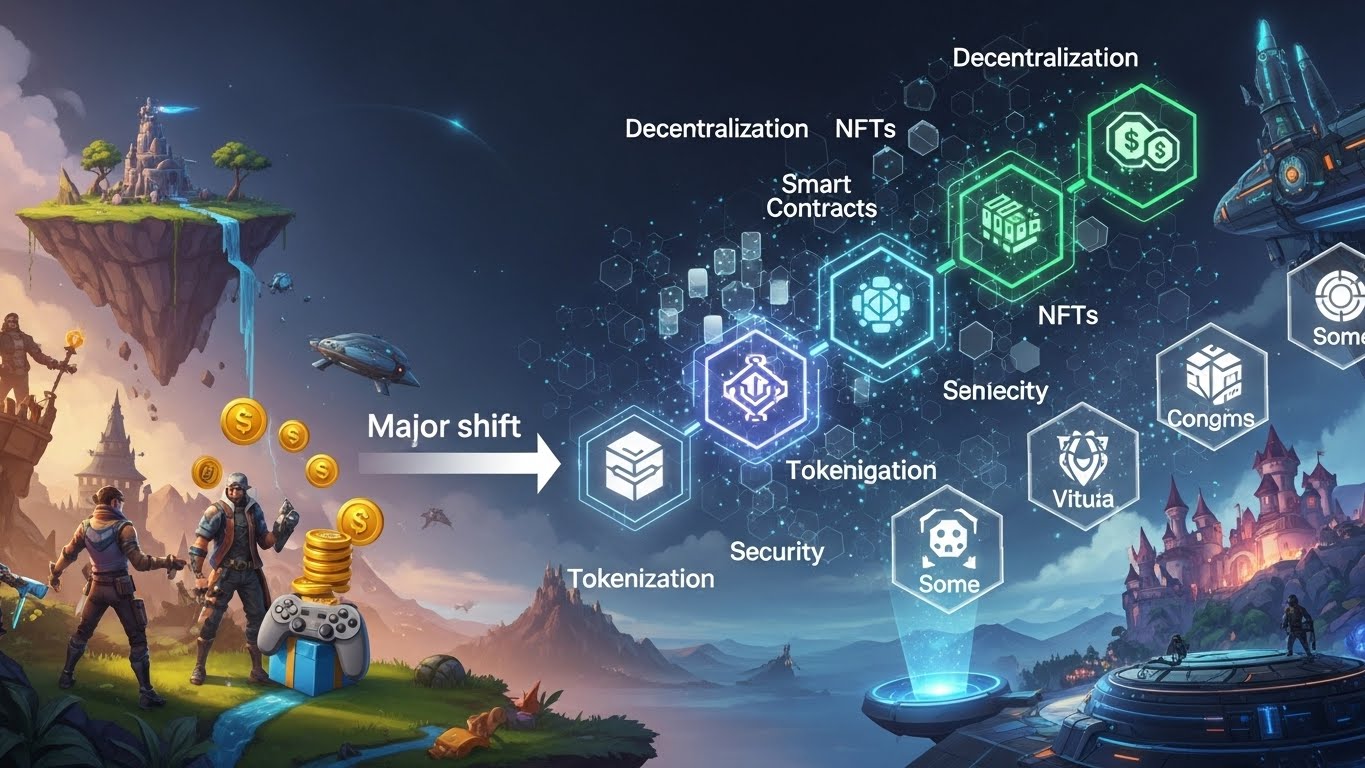
The broader market environment also played a crucial role in the studio’s decision. The rapid rise of blockchain gaming was followed by an equally sharp decline in hype as crypto markets cooled and investor confidence weakened.
Many blockchain gaming projects struggled to retain users once speculative incentives faded. Play-to-earn sustainability became a major concern, with critics arguing that such models relied too heavily on constant inflows of new participants.
As funding tightened and expectations became more grounded, studios were forced to reassess their strategies. For Metaverse Game Studios, continuing to invest heavily in blockchain infrastructure no longer aligned with market realities or long-term growth prospects.
The Rebrand to Angelicore Game Studios Explained
Rebranding as Angelicore Game Studios marked a symbolic and practical turning point. The new name reflects a shift away from metaverse-centric branding toward a more traditional and creative identity.
Angelicore Game Studios positions itself as a developer focused on storytelling, artistic expression, and gameplay-first design. This rebrand signals a commitment to core gaming values rather than experimental monetization models.
Rebranding also offers an opportunity to reset public perception. By distancing itself from blockchain associations, Angelicore aims to rebuild trust with players who may have been wary of the studio’s previous direction.
Canceling All Blockchain Features: What It Means
The decision to cancel all blockchain features is perhaps the most consequential aspect of this transition. It means removing or abandoning plans for NFTs, token economies, and decentralized asset ownership within the studio’s games.
This move simplifies development and allows designers to focus on balance, progression, and immersion without accommodating external economic systems. It also reduces technical and regulatory risks associated with blockchain integration.
For players, the cancellation may restore confidence that games will prioritize enjoyment over monetization. For the industry, it serves as a notable example of a studio publicly stepping away from blockchain after initially embracing it.
Impact on Existing Projects and Development Roadmaps
Canceling blockchain features inevitably affects ongoing projects and development timelines. Angelicore Game Studios must now reassess its existing games, redesign systems originally built around blockchain mechanics, and communicate changes clearly to its community.
This transition can be challenging but also liberating. Freed from blockchain constraints, developers can streamline mechanics and improve accessibility. Game development without blockchain allows for more predictable progression systems and player-friendly economies.
Clear communication will be critical to maintaining trust during this period. Players and stakeholders need reassurance that the studio’s vision remains coherent and that quality will not be compromised.
Industry-Wide Implications for Blockchain Gaming
The rebrand and strategic shift by Angelicore Game Studios resonate beyond a single company. They reflect a broader reevaluation of blockchain’s role in gaming. While some studios continue to experiment with decentralized technologies, others are scaling back or abandoning such features altogether. This divergence highlights the ongoing debate about whether blockchain adds genuine value to games or primarily serves speculative interests.
The Angelicore decision suggests that mainstream adoption of blockchain gaming faces significant hurdles, particularly when player sentiment is unfavorable. It may encourage other studios to prioritize player-centric game design over experimental monetization.
Player Trust and Reputation Management
Trust is a fragile asset in the gaming industry. Sudden changes in direction can either harm or restore a studio’s reputation depending on how they are handled. By openly canceling blockchain features, Angelicore Game Studios acknowledges player concerns and demonstrates responsiveness. This transparency may help rebuild credibility and foster goodwill. However, skepticism may persist among players who invested time or money in earlier blockchain promises. Addressing these concerns empathetically will be essential for long-term reputation management.
Creative Freedom and Gameplay Focus
One of the most positive outcomes of abandoning blockchain features is the renewed emphasis on creative freedom. Without the need to design around tokenomics or external marketplaces, developers can focus on crafting engaging experiences.
This shift aligns with a growing movement within the industry that values artistry, narrative depth, and mechanical polish. Gameplay-first development resonates strongly with players seeking meaningful and immersive experiences. Angelicore Game Studios has an opportunity to redefine itself as a creator of high-quality games that stand on their own merits rather than technological novelty.
Economic and Monetization Considerations
Canceling blockchain features also reshapes monetization strategies. Instead of relying on token sales or NFT marketplaces, Angelicore must explore more traditional revenue models.
These may include premium pricing, cosmetic microtransactions, or expansions that enhance gameplay without undermining balance. While these models are familiar, executing them ethically and transparently remains crucial. The shift away from blockchain may ultimately result in more sustainable and predictable revenue streams aligned with player expectations.
Lessons for the Gaming Industry
The story of Metaverse Game Studios’ rebrand offers valuable lessons for the broader industry. Innovation must be balanced with audience trust, and not all emerging technologies are equally suited to every medium.
Blockchain’s promise of ownership and decentralization appealed to investors, but widespread player adoption proved elusive. Studios must carefully evaluate whether new technologies enhance or detract from the core gaming experience. This case underscores the importance of listening to communities, adapting to market realities, and being willing to change course when necessary.
Future Outlook for Angelicore Game Studios
Looking ahead, Angelicore Game Studios faces both challenges and opportunities. Successfully executing its new vision will depend on delivering compelling games that resonate with players. The studio’s willingness to pivot suggests adaptability, a trait that can be invaluable in a rapidly changing industry. If Angelicore can combine creative excellence with transparent communication, it may emerge stronger from this transition. The long-term success of this rebrand will ultimately be judged by the quality of the games released and the trust rebuilt with its audience.
Conclusion
The decision by Metaverse Game Studios to rebrand as Angelicore Game Studios and cancel all blockchain features marks a significant moment in the ongoing evolution of the gaming industry. It reflects shifting player sentiment, changing market conditions, and a renewed emphasis on gameplay over speculative technology.
By stepping away from blockchain, Angelicore signals a commitment to traditional gaming values, creative freedom, and player trust. While the transition presents challenges, it also opens the door to more focused and sustainable development. This move serves as a reminder that technology should serve the game, not define it. As the industry continues to evolve, studios that prioritize players and adaptability are likely to shape the future of gaming.
FAQs
Q: Why did Metaverse Game Studios rebrand as Angelicore Game Studios?
The rebrand reflects a strategic shift away from blockchain-focused branding toward a more traditional, gameplay-driven identity that aligns better with player expectations.
Q: Why were all blockchain features canceled?
Blockchain features were canceled due to player resistance, market downturns in crypto gaming, and the desire to focus on simpler, more engaging game design.
Q: Does this mean blockchain gaming is failing entirely?
Not necessarily, but it indicates that blockchain gaming faces significant challenges and may not be suitable for all studios or audiences at this time.
Q: How will this change affect existing players and projects?
Existing projects may be redesigned to remove blockchain mechanics, with a stronger focus on balanced gameplay and accessibility for a wider audience.
Q: What does this mean for the future direction of Angelicore Game Studios?
Angelicore Game Studios is expected to focus on high-quality, player-centric games, emphasizing storytelling, creativity, and traditional monetization models.
