Bitcoin news in late 2025 took an unexpected yet highly significant turn when Quai Network implemented its much-anticipated Christmas fork. At a time when Bitcoin miners were facing mounting pressure from rising operational costs, reduced block rewards, and uncertain long-term profitability, this development injected renewed optimism into the mining ecosystem. The fork was not merely a technical adjustment within an emerging blockchain network; it represented a broader shift in how miners evaluate sustainability, innovation, and future-proof infrastructure within the crypto industry.
For much of the year, Bitcoin miners navigated a challenging environment shaped by post-halving economics, fluctuating hash rates, and increasing regulatory scrutiny. Profit margins tightened, forcing many operators to rethink strategies or scale back operations. Against this backdrop, the Christmas fork by Quai Network emerged as a symbol of adaptation and opportunity, offering a complementary mining model that resonated strongly with Bitcoin’s proof-of-work community.
This Bitcoin news analysis explores how Quai Network’s Christmas fork restored confidence among Bitcoin miners, why it matters for the broader mining landscape, and what it signals about the evolving relationship between Bitcoin and next-generation blockchain networks. By examining technical, economic, and psychological factors, this article provides a comprehensive view of why miners are paying close attention to Quai Network and how this event may influence the future of decentralized security.
The Challenges Facing Bitcoin Miners in 2025
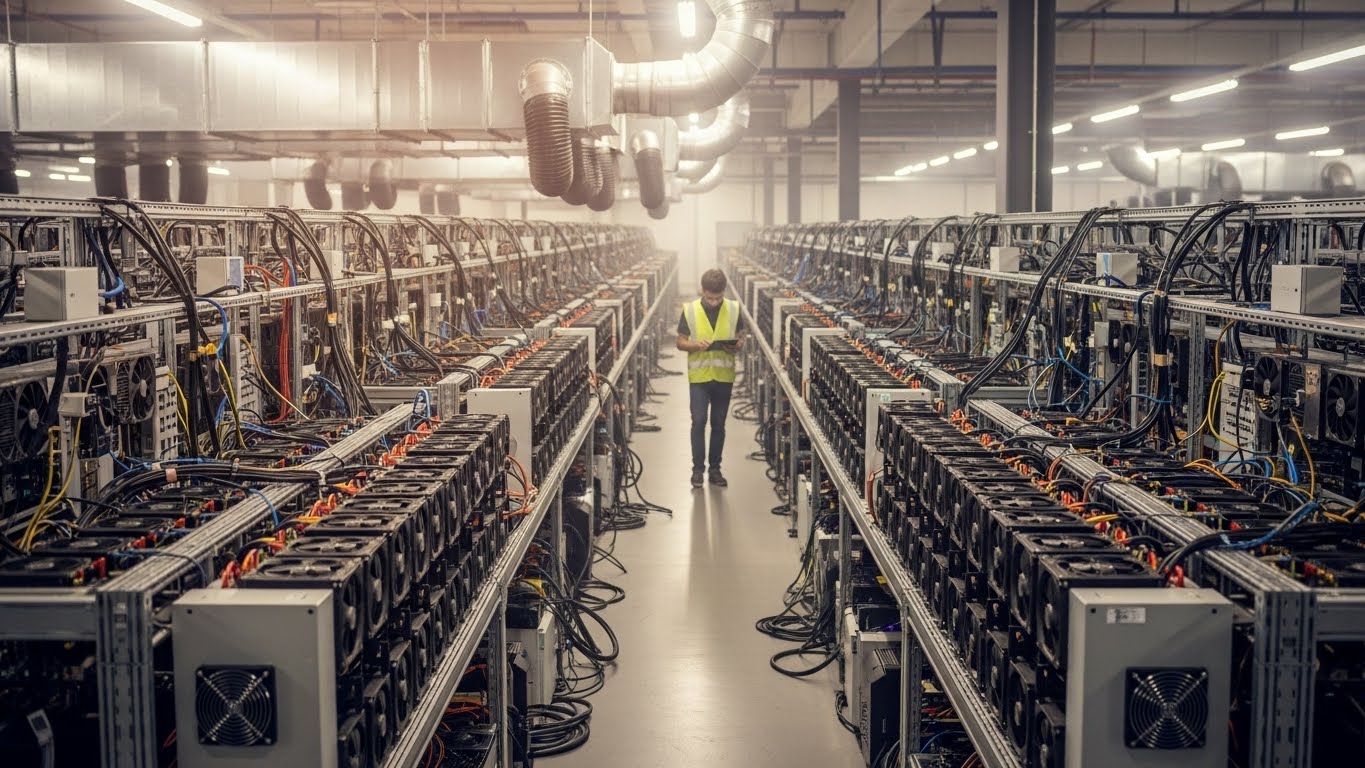
One of the defining themes in Bitcoin news throughout 2025 has been the impact of the most recent halving event. Reduced block rewards intensified competition among miners, making efficiency and scale more critical than ever. Smaller operations struggled to remain profitable, while larger mining firms invested heavily in infrastructure upgrades to maintain margins.
Electricity costs continued to rise globally, adding another layer of complexity. For many miners, profitability became increasingly sensitive to energy pricing and hardware efficiency. This environment created anxiety about long-term sustainability, especially for independent and mid-sized miners who lacked access to cheap power or advanced cooling technologies. The cumulative effect of these pressures was a noticeable decline in miner sentiment. While Bitcoin’s network security remained robust, confidence among participants wavered as economic realities set in.
Hash Rate Volatility and Network Competition
Bitcoin miners also contended with hash rate volatility driven by shifting geographic distributions and regulatory changes. Crackdowns in certain regions forced miners to relocate or shut down, while other jurisdictions actively courted mining investment. This constant reshuffling created uncertainty around network participation and future difficulty adjustments.
In this context, miners began exploring alternative proof-of-work networks that could complement Bitcoin mining operations. Diversification emerged as a strategic response to risk, setting the stage for heightened interest in innovative platforms like Quai Network.
What Is Quai Network and Why It Matters
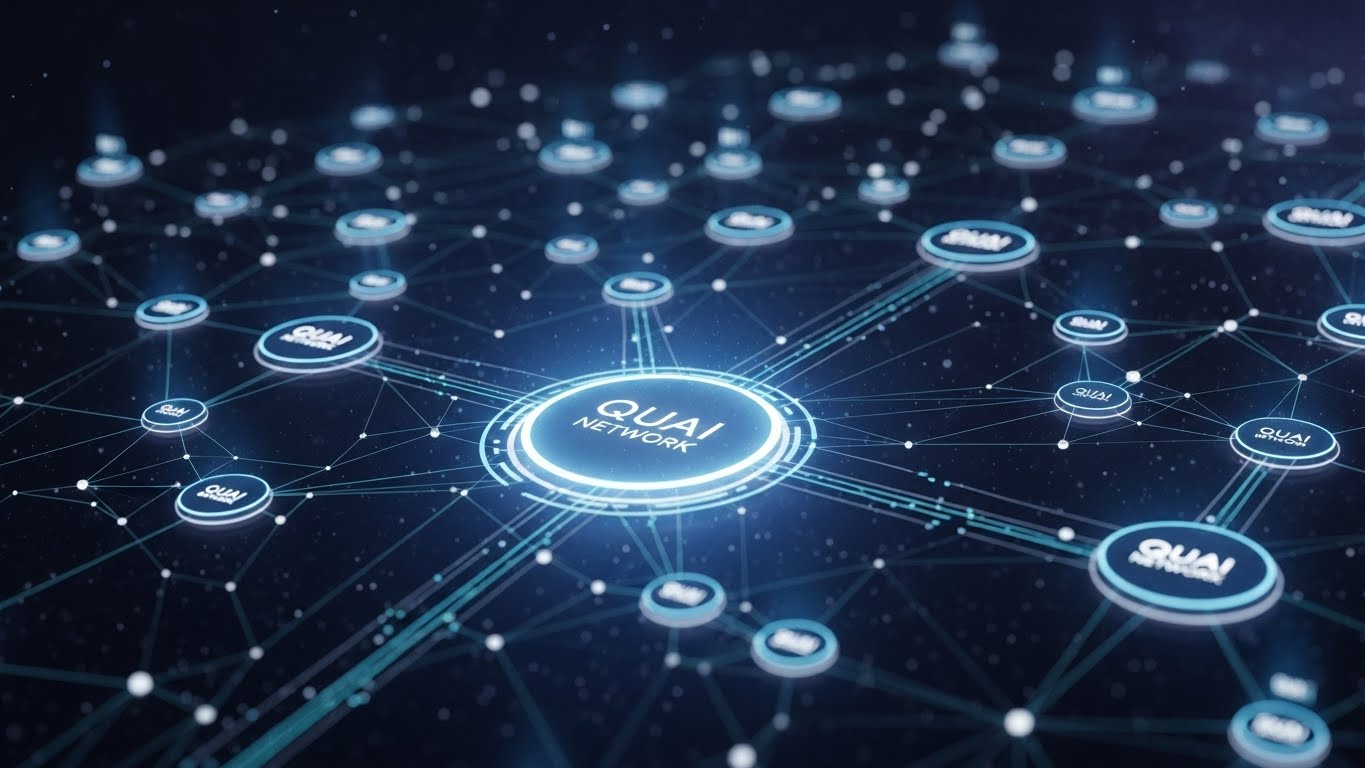
Quai Network has positioned itself as a next-generation blockchain designed to address scalability without sacrificing decentralization or security. Its architecture introduces a multi-chain framework that allows parallel processing of transactions while maintaining a unified security model.
For miners, this approach is particularly appealing. Unlike proof-of-stake systems that marginalize traditional mining, Quai Network embraces proof-of-work as a foundational element. This alignment with Bitcoin’s core philosophy has been a recurring theme in Bitcoin news discussions surrounding the network. By enabling miners to participate across multiple chains, Quai Network expands earning opportunities without requiring entirely new skill sets or ideological shifts.
The cultural alignment between Bitcoin miners and Quai Network cannot be overstated. Miners value transparency, decentralization, and resistance to central control. Quai Network’s design philosophy echoes these principles, making it a natural extension rather than a competitor to Bitcoin. This alignment helped set the stage for the positive reception of the Christmas fork. Rather than viewing the fork as a risky experiment, miners perceived it as a thoughtful upgrade that respected proof-of-work traditions while introducing meaningful innovation.
The Christmas Fork Explained
The Christmas fork represented a major protocol upgrade aimed at optimizing network performance and miner incentives. It introduced refinements to consensus mechanisms, improved cross-chain coordination, and enhanced reward distribution models. From a technical perspective, the fork reduced inefficiencies that previously limited throughput and miner profitability. These improvements translated into more predictable rewards and reduced orphan rates, factors that directly impact mining revenue.
Bitcoin news coverage emphasized how these changes were implemented smoothly, without significant disruptions or security concerns. This successful execution reinforced confidence in Quai Network’s development team and governance processes. One of the most important outcomes of the Christmas fork was the recalibration of miner incentives. By adjusting reward allocations across chains, Quai Network created a more balanced and attractive earning environment.
Miners gained access to diversified reward streams while contributing to overall network security. This structure resonated strongly with Bitcoin miners accustomed to long-term planning and disciplined investment strategies. The fork effectively demonstrated that proof-of-work networks can evolve without undermining the economic foundations that sustain miner participation.
Why Bitcoin Miners Responded Positively
Bitcoin miners responded positively to the Christmas fork because it addressed a fundamental concern: the need for innovation within proof-of-work ecosystems. Rather than abandoning mining or transitioning to alternative consensus models, Quai Network showed that technical progress and miner profitability are not mutually exclusive.
This message carried significant weight within Bitcoin news narratives. It reinforced the idea that proof-of-work remains viable and adaptable, countering arguments that mining is inherently outdated or unsustainable. Confidence was restored not only through higher potential returns but also through renewed belief in the future relevance of mining.
Another key factor driving miner enthusiasm was the opportunity to diversify without diluting commitment to Bitcoin. Quai Network did not position itself as a replacement for Bitcoin mining but as a complementary ecosystem.
Miners could allocate resources strategically, balancing Bitcoin operations with participation in Quai Network. This flexibility reduced risk exposure and provided a hedge against adverse market conditions. Such diversification strategies became a recurring theme in Bitcoin news discussions following the fork, highlighting its broader strategic implications.
Broader Implications for the Bitcoin Mining Ecosystem
The success of Quai Network’s Christmas fork strengthened broader narratives around proof-of-work resilience. At a time when environmental criticisms and regulatory debates continue to challenge mining, this development offered a counterexample rooted in efficiency and innovation.
By demonstrating that proof-of-work networks can evolve responsibly, Quai Network indirectly bolstered Bitcoin’s legitimacy. The positive spillover effect was evident in improved miner sentiment and renewed public discourse around mining’s role in securing decentralized systems.
The fork also highlighted the potential for collaborative ecosystems rather than zero-sum competition among blockchains. Bitcoin news increasingly reflects a shift toward interoperability and shared values, particularly among proof-of-work networks. This collaborative mindset benefits miners by expanding opportunities and reducing dependency on a single revenue source. It also fosters a healthier industry environment where innovation is shared rather than siloed.
Market Reaction and Miner Sentiment
In the immediate aftermath of the Christmas fork, miner sentiment showed measurable improvement. Discussions across mining communities reflected cautious optimism, with many operators reassessing expansion plans and equipment investments. Bitcoin news commentary noted that while the fork did not eliminate existing challenges, it provided a psychological boost that should not be underestimated. Confidence plays a crucial role in long-term capital allocation decisions within mining. This renewed optimism translated into increased participation and experimentation, further validating the fork’s impact.
Over the longer term, miners began incorporating Quai Network into strategic planning. The fork prompted deeper evaluation of multi-chain mining models and adaptive infrastructure investments. This reassessment aligns with broader trends toward flexibility and resilience within the mining industry. By encouraging forward-looking strategies, the Christmas fork contributed to a more dynamic and prepared mining ecosystem.
Conclusion
Bitcoin news surrounding Quai Network’s Christmas fork underscores a pivotal moment for Bitcoin miners and the broader proof-of-work community. At a time of economic pressure and uncertainty, the fork delivered both tangible improvements and intangible confidence. By enhancing miner incentives, embracing scalability, and respecting proof-of-work values, Quai Network demonstrated that innovation can coexist with tradition. For Bitcoin miners, this development offered reassurance that their role remains vital and adaptable in an evolving crypto landscape.
As the industry moves forward, the lessons from this fork may influence how miners evaluate emerging networks and how developers design future upgrades. Ultimately, the renewed confidence sparked by Quai Network’s Christmas fork reflects a broader truth: sustainable progress in crypto depends on collaboration, innovation, and respect for foundational principles.
FAQs
Q: How does this Bitcoin news about Quai Network affect traditional Bitcoin miners?
This Bitcoin news affects traditional Bitcoin miners by offering them an additional proof-of-work ecosystem to participate in without abandoning Bitcoin. The Christmas fork created new incentive structures that allow miners to diversify revenue while maintaining alignment with Bitcoin’s core mining principles.
Q: Why is Quai Network’s Christmas fork considered important for miner confidence?
The Christmas fork is important because it demonstrated that proof-of-work networks can innovate in ways that directly benefit miners. By improving efficiency and reward predictability, it addressed many economic concerns that had been weighing on miner confidence.
Q: Does Quai Network compete directly with Bitcoin mining?
Quai Network does not compete directly with Bitcoin mining but rather complements it. The network’s design allows miners to allocate resources strategically, supporting diversification without undermining commitment to Bitcoin’s security and decentralization.
Q: What broader impact could this development have on the crypto mining industry?
The broader impact includes strengthened narratives around proof-of-work sustainability and increased interest in collaborative mining ecosystems. This Bitcoin news may encourage other networks to design upgrades that prioritize miner incentives and long-term resilience.
Q: Can developments like the Christmas fork influence future Bitcoin mining strategies?
Yes, developments like the Christmas fork can influence future strategies by encouraging miners to adopt flexible, multi-chain approaches. This adaptability can improve resilience against market volatility and regulatory uncertainty while supporting ongoing innovation.
Bitcoin news How Quai Network’s Christmas Fork Brings Renewed Confidence to Bitcoin Miners
 By admin