


The relationship between the Federal Reserve and the cryptocurrency market has grown increasingly complex over the past decade. Once seen as an entirely separate financial universe, crypto assets are now deeply influenced by macroeconomic forces, particularly monetary policy decisions made by the U.S. central bank. As 2026 approaches, investors, institutions, and policymakers are asking an important question: what could be the Federal Reserve’s impact on the crypto market in 2026? The answer lies at the intersection of interest rates, inflation control, liquidity conditions, regulatory coordination, and evolving market psychology.
By 2026, cryptocurrencies will no longer be a fringe asset class. Digital assets are already woven into discussions around financial stability, cross-border payments, and technological innovation. The Federal Reserve’s actions, whether through rate adjustments, balance sheet management, or signaling future policy intentions, are likely to shape how capital flows into and out of crypto markets. Understanding this dynamic is essential for anyone seeking to navigate the next phase of digital finance with clarity and confidence.
This article explores how the Federal Reserve’s policy framework may influence crypto valuations, adoption trends, institutional participation, and broader market sentiment in 2026. By examining economic scenarios and policy tools, we can better anticipate how the crypto ecosystem might respond to shifts in U.S. monetary strategy.
Understanding the Federal Reserve’s Role in Global Markets
The Federal Reserve as a Monetary Authority
The Federal Reserve serves as the central monetary authority of the United States, with a mandate to maintain price stability and promote maximum employment. Through its control of interest rates and liquidity conditions, the Fed influences not only domestic markets but also global financial systems. Because the U.S. dollar remains the world’s primary reserve currency, changes in Fed policy often ripple across international asset classes, including cryptocurrencies.
In recent years, crypto investors have become increasingly sensitive to Federal Reserve announcements. Decisions related to tightening or easing monetary policy have proven capable of moving Bitcoin, Ethereum, and other digital assets within minutes. This sensitivity suggests that by 2026, the Federal Reserve’s impact on the crypto market will be even more pronounced as integration deepens.
Why Crypto Reacts to Fed Decisions
Cryptocurrencies are often viewed as alternative assets that thrive in environments of abundant liquidity and low interest rates. When the Federal Reserve signals a dovish stance, risk appetite tends to increase, benefiting speculative and growth-oriented assets. Conversely, a hawkish posture focused on inflation control can drain liquidity from markets, putting pressure on crypto prices.
By 2026, this cause-and-effect relationship may mature further. As crypto markets become more liquid and institutionally driven, their responses to Federal Reserve signals may resemble those of equities or commodities, albeit with higher volatility.
Interest Rates and Their Influence on Crypto Prices in 2026
The Cost of Capital and Risk Appetite
Interest rates are one of the most direct tools through which the Federal Reserve influences financial markets. Higher rates increase the cost of borrowing and encourage investors to favor yield-bearing assets such as bonds. Lower rates, on the other hand, reduce returns on traditional savings instruments, pushing investors toward alternative assets like cryptocurrencies.
In 2026, if the Federal Reserve maintains relatively high interest rates to combat persistent inflation, the crypto market could face headwinds. Capital may flow away from digital assets toward safer, income-generating options. However, if rates stabilize or decline, crypto assets could benefit from renewed demand as investors seek growth opportunities.
Long-Term Expectations and Market Pricing
Crypto markets often price in future expectations rather than current conditions. If investors believe that the Federal Reserve will pivot toward accommodative policy in the coming years, prices may rise well before actual rate cuts occur. This forward-looking behavior underscores why Fed communication and guidance are as important as policy actions themselves.
The Federal Reserve’s impact on the crypto market in 2026 will likely depend on how clearly it communicates its long-term strategy and how credibly it manages inflation without triggering economic slowdown.
Inflation, Monetary Policy, and Crypto as a Hedge

Crypto’s Narrative as an Inflation Hedge
One of the enduring narratives surrounding cryptocurrencies is their potential role as a hedge against inflation. Bitcoin, in particular, has been compared to digital gold due to its capped supply. When inflation fears rise, some investors turn to crypto as a store of value outside traditional fiat systems.
If inflation remains a concern in 2026, the Federal Reserve’s approach to managing price stability could indirectly boost interest in crypto assets. Aggressive tightening may reduce inflation but also spark concerns about economic growth, potentially increasing demand for decentralized alternatives.
The Reality of Inflation Protection
Despite the narrative, crypto’s performance as an inflation hedge has been mixed. Price volatility and speculative behavior often overshadow long-term value preservation. By 2026, however, greater market maturity and broader adoption may strengthen crypto’s perceived role in diversified portfolios.
The inflation hedge narrative, combined with Federal Reserve policy outcomes, will shape how investors perceive digital assets during periods of economic uncertainty.
Liquidity Conditions and Crypto Market Dynamics
Quantitative Tightening and Easing
Beyond interest rates, the Federal Reserve influences markets through balance sheet policies such as quantitative tightening and easing. Reducing the Fed’s balance sheet drains liquidity from the financial system, while expansion injects capital into markets.
Crypto markets have historically thrived during periods of excess liquidity. If 2026 sees a return to accommodative policies, digital assets could experience renewed growth driven by increased capital availability. Conversely, prolonged tightening could limit speculative inflows and suppress valuations.
Global Liquidity and Cross-Border Effects
Because cryptocurrencies operate on a global scale, U.S. liquidity conditions interact with policies from other central banks. The Federal Reserve’s stance often sets the tone for global monetary policy. As a result, its decisions may amplify or offset liquidity trends worldwide, influencing crypto markets far beyond U.S. borders.
The global liquidity environment in 2026 will therefore play a crucial role in determining the strength and direction of the crypto market.
Institutional Adoption and Federal Reserve Policy Signals
Institutional Confidence and Regulatory Clarity
Institutional investors closely monitor Federal Reserve policy as part of their risk management strategies. Stable and predictable monetary policy tends to encourage long-term investment, including exposure to emerging asset classes like crypto.
By 2026, clearer regulatory frameworks and consistent Fed messaging could boost institutional confidence in digital assets. This, in turn, may increase market depth and reduce volatility over time.
Impact on Crypto ETFs and Financial Products
The expansion of crypto-related financial products, such as exchange-traded funds and derivatives, ties digital assets more closely to traditional financial systems. Federal Reserve policy affects these products through funding costs, leverage availability, and overall market sentiment.
As institutional participation grows, the Federal Reserve’s impact on the crypto market in 2026 will likely be transmitted through these channels with increasing efficiency.
The U.S. Dollar, Fed Policy, and Crypto Valuations
Dollar Strength and Crypto Correlation
The value of the U.S. dollar is closely linked to Federal Reserve policy. A strong dollar often coincides with tighter monetary conditions, which can pressure crypto prices. A weaker dollar, resulting from easing policies, may support higher valuations for digital assets.
In 2026, the interplay between dollar strength and crypto demand will remain a key factor for investors. Monitoring currency trends alongside Fed decisions will be essential for understanding market movements.
Crypto as an Alternative Monetary System
Some proponents view cryptocurrencies as an alternative to fiat currencies influenced by central banks. While this vision remains aspirational, Federal Reserve actions that undermine confidence in traditional monetary systems could accelerate interest in decentralized assets.
The decentralized finance ecosystem may benefit from scenarios where trust in centralized policy weakens, highlighting the philosophical dimension of the Fed’s influence on crypto.
Market Psychology and Forward Guidance in 2026
The Power of Communication
Federal Reserve communication strategies, including speeches and press conferences, play a significant role in shaping market expectations. Even subtle changes in tone can trigger substantial reactions in crypto markets.
By 2026, investors may become even more attuned to Fed language as algorithmic trading and real-time analysis amplify the impact of policy signals.
Volatility and Speculation
Crypto markets are inherently volatile, and Federal Reserve announcements often act as catalysts for sharp price movements. Understanding this dynamic can help investors manage risk and avoid emotional decision-making during periods of heightened uncertainty. The market sentiment factor driven by Fed guidance will continue to influence short-term volatility and long-term trends alike.
Potential Scenarios for the Crypto Market in 2026
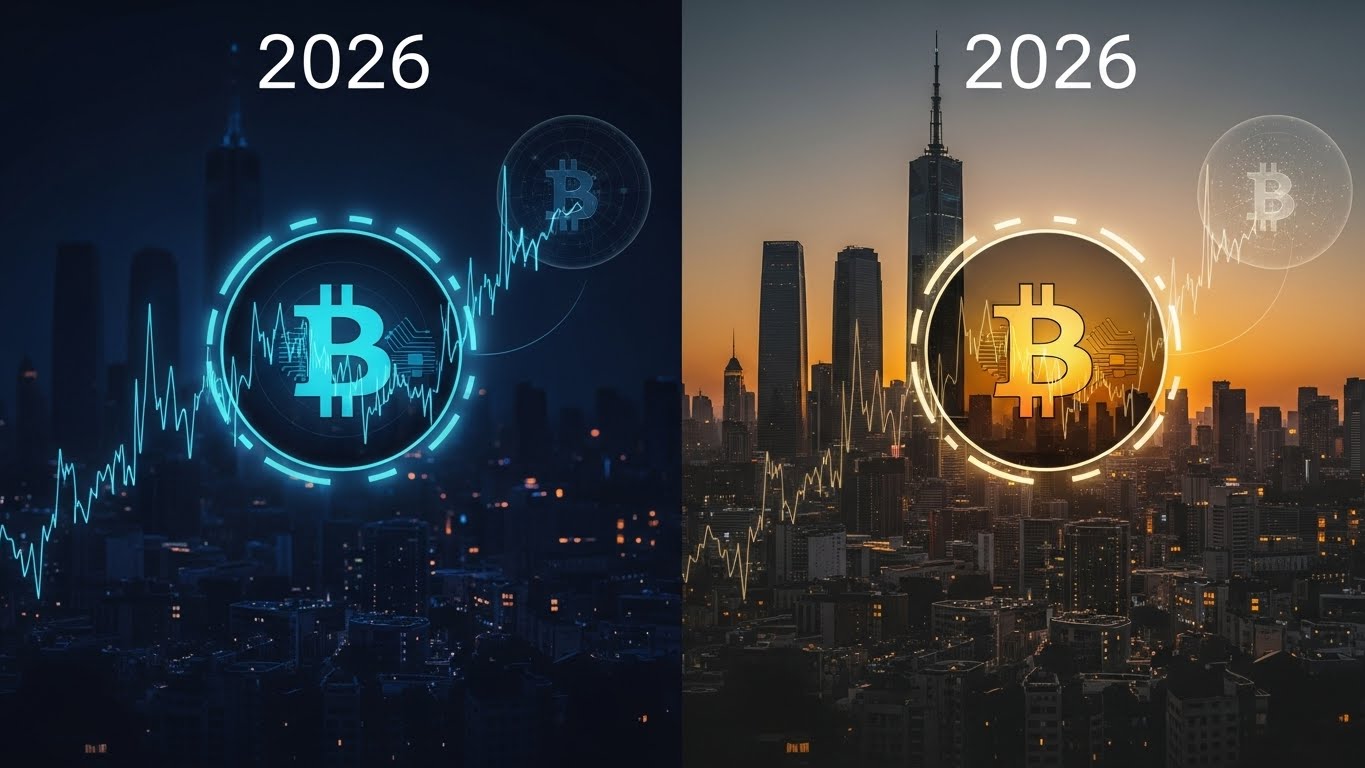
A Hawkish Federal Reserve Environment
If the Federal Reserve prioritizes aggressive inflation control in 2026, higher interest rates and reduced liquidity could dampen crypto enthusiasm. Prices may consolidate or decline as investors favor stability over speculation.
A Dovish or Neutral Policy Shift
Alternatively, a more balanced approach focused on sustainable growth could create favorable conditions for crypto markets. Increased liquidity and stable rates may encourage innovation and adoption across the digital asset space.
A Policy-Driven Transition Period
The most likely scenario may involve gradual adjustments rather than extreme shifts. In such an environment, crypto markets could experience cycles of volatility followed by consolidation as investors adapt to evolving policy signals.
Conclusion
The Federal Reserve’s impact on the crypto market in 2026 will be shaped by a complex mix of interest rate policy, inflation management, liquidity conditions, and communication strategies. As cryptocurrencies become more integrated into the global financial system, their sensitivity to central bank decisions will likely increase rather than diminish. For investors and market participants, understanding the Federal Reserve’s role is no longer optional but essential.
By closely monitoring policy developments and macroeconomic indicators, stakeholders can better anticipate how digital assets may respond to changing conditions. While uncertainty will always be part of the crypto landscape, informed analysis of Federal Reserve actions can provide valuable insights into potential opportunities and risks in 2026 and beyond.
FAQs
Q: How directly will the Federal Reserve influence crypto prices in 2026?
The Federal Reserve will not control crypto prices directly, but its interest rate decisions, liquidity policies, and forward guidance can significantly influence investor behavior, risk appetite, and capital flows, all of which affect crypto valuations.
Q: Can cryptocurrencies still act as an inflation hedge if the Fed controls inflation effectively?
If inflation is well-managed, the inflation hedge narrative may weaken, but cryptocurrencies could still attract investors seeking diversification, technological innovation, and exposure to decentralized financial systems.
Q: Will institutional adoption make crypto more sensitive to Fed policy?
Yes, increased institutional participation tends to align crypto market behavior more closely with traditional financial assets, making digital assets more responsive to Federal Reserve signals and macroeconomic trends.
Q: How important is Federal Reserve communication compared to actual policy actions?
Communication is extremely important because markets often react to expectations and future guidance. Even without immediate policy changes, Fed statements can trigger significant movements in crypto markets.
Q: Should long-term crypto investors worry about Federal Reserve policy in 2026?
Long-term investors should be aware of Federal Reserve policy as a key macro factor, but they should also consider broader adoption trends, technological development, and use cases that extend beyond short-term monetary cycles.
