

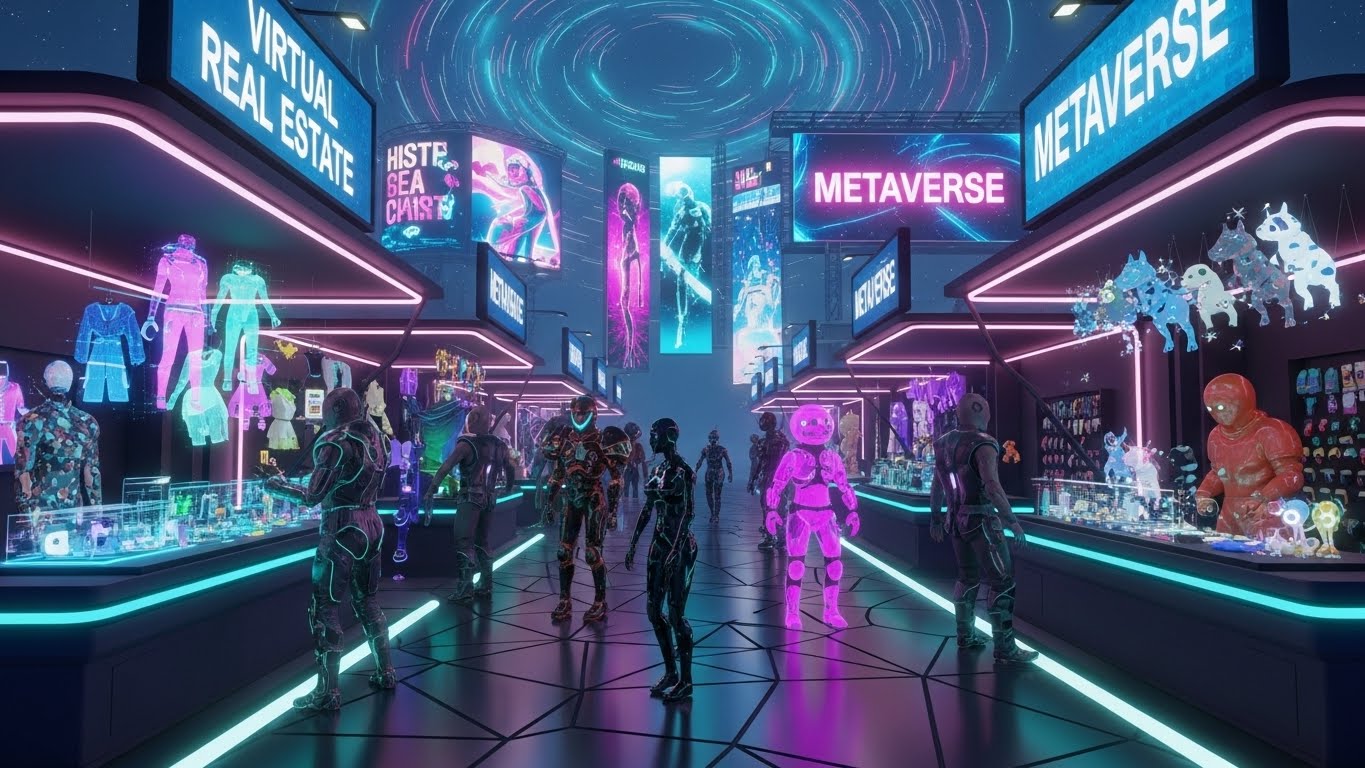
The metaverse market is moving from buzzword to business reality. What once sounded like pure science fiction is slowly turning into a connected layer of virtual worlds, digital experiences, and immersive platforms that sit on top of the internet we already use every day. Brands, game studios, tech giants, and startups are all competing to build their part of this new digital universe.
Market research suggests that the metaverse market could develop at a compound annual growth rate (CAGR) of 41.2% by 2032. That kind of long-term growth signals more than just hype. It points to deep structural changes in how people work, play, learn, shop, and socialize. A fast-growing metaverse economy could create new jobs, new revenue streams, and new categories of digital products that do not exist today.
At the same time, the metaverse is still in its early stages. Most people have only tasted it through online games, social platforms, or simple virtual reality experiences. Real adoption will depend on a mix of better hardware, faster networks, smarter software, and more human-centered design. That is why metaverse market insights and a clear understanding of future opportunities are so important. Businesses that start learning today will be better placed to ride that 41.2% CAGR wave instead of being left behind by it.
In the sections that follow, we will explore how the metaverse market looks today, what is driving its growth, which segments hold the most promise, and what challenges stand in the way. We will also look at regional dynamics, business models, and practical use cases, so you can see how this emerging space might affect your own plans over the next decade.
Understanding the Metaverse Market Today
The metaverse market is not a single product or platform. It is a broad ecosystem of technologies and services that create persistent, shared digital spaces where users can interact in real time. These experiences may happen in fully immersive virtual reality, in augmented reality layered over the physical world, or on ordinary screens such as phones and laptops.
Today’s metaverse experiences range from open-world games and virtual concerts to immersive learning environments and digital showrooms. Many users already spend hours each week in 3D social spaces, customizing their avatars, trading digital assets, and taking part in virtual events. Each of these activities generates economic value, whether through in-app purchases, advertising, subscriptions, or the sale of NFTs and other tokenized assets.
The metaverse market also stretches beyond entertainment. Enterprises are beginning to experiment with virtual collaboration rooms, immersive training simulations, and digital twins of factories, offices, and cities. These tools can reduce costs, shorten design cycles, and help teams work across borders more smoothly.
As a result, when analysts speak about the metaverse, they are talking about a layered stack of technologies: cloud computing, edge networks, XR devices, 3D engines, blockchain infrastructure, and more. Together, these layers form the foundation for a market that could sustain a 41.2% CAGR through 2032 if adoption continues to grow across both consumer and enterprise use cases.
From Gaming Worlds to Economic Platforms
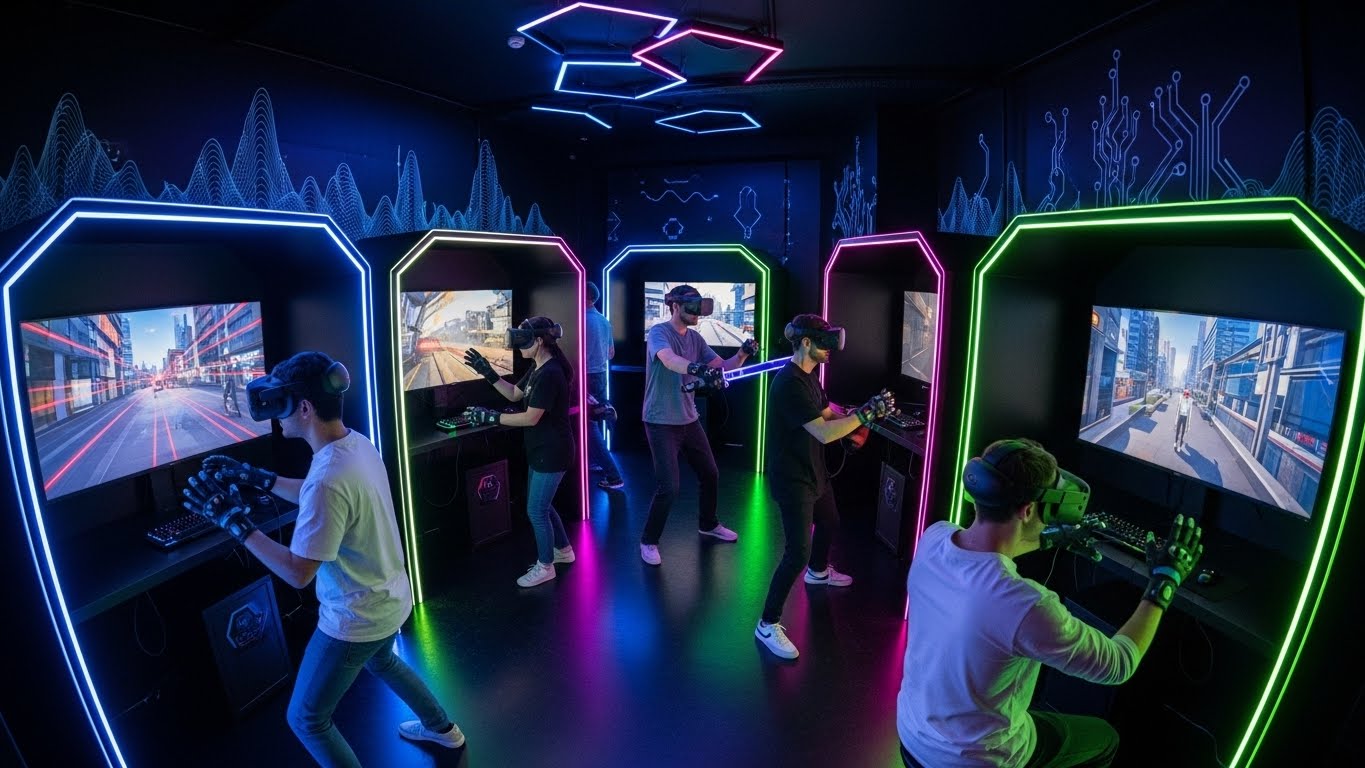
For many people, the easiest way to understand the metaverse is through games. Popular titles already function as mini-metaverses, with persistent worlds, player-driven economies, and virtual items that hold real value. This gaming layer has been the testing ground for core metaverse concepts like digital ownership, avatar identity, and virtual currency.
However, the metaverse market is steadily expanding beyond games. Fashion brands are launching virtual collections, car companies are hosting virtual test drives, and universities are experimenting with immersive classrooms where students can interact in 3D. These moves turn metaverse platforms into economic hubs rather than just places to play. The shift from pure entertainment to broad digital infrastructure is central to metaverse market insights. It shows that future growth will not depend on one killer app, but on a wide portfolio of use cases where people find real value in spending time and money inside virtual spaces.
Key Drivers Behind Metaverse Market Growth
Understanding why the metaverse market is forecast to grow at a 41.2% CAGR by 2032 requires looking at several underlying drivers. These include hardware advances, network improvements, software innovation, and cultural changes in how people use digital media.
Hardware and Connectivity Improvements
The first driver is better hardware. Early virtual reality headsets were heavy, expensive, and uncomfortable. Newer generations are lighter, more affordable, and far more powerful, with higher resolution, improved tracking, and more natural input methods. Augmented reality glasses and mixed reality headsets are also developing, allowing digital content to blend more smoothly with the real world.
At the same time, network infrastructure is improving. Wider 5G coverage, fiber rollout, and edge computing reduce latency and increase bandwidth, making immersive experiences smoother and more reliable. When you combine better devices with better connectivity, you get a technical foundation strong enough to support a fast-growing metaverse market. These changes lower the barrier to entry. People who once found XR awkward or inaccessible can now step into virtual environments with far less friction, which supports the kind of adoption curve needed to maintain rapid growth through 2032.
Web3, Blockchain, and Digital Ownership
A second major driver for the metaverse market is the spread of Web3 technology. Blockchain networks, smart contracts, and NFT standards make it possible to prove ownership of digital items, verify scarcity, and enable peer-to-peer commerce inside virtual worlds.
This is crucial because the metaverse is not just about visuals; it is also about virtual economies. Users want to own skins, lands, collectibles, and even businesses within these spaces. When those assets are backed by blockchain, they can be traded, rented, or used across multiple platforms, turning metaverse participation into a genuine economic activity. As more developers integrate crypto wallets, tokenized rewards, and on-chain identity into their platforms, the metaverse market gains new business models and revenue sources. That, in turn, attracts more creators, brands, and investors, reinforcing the expectation of a 41.2% CAGR over the coming years.
Metaverse Market Insights by Segment
The metaverse market can be divided into several major segments, each with its own dynamics and growth path. Understanding how these segments fit together helps you spot where future opportunities may emerge first.
Consumer Experiences: Gaming, Social, and Entertainment
On the consumer side, the metaverse today is still dominated by gaming, social hubs, and immersive entertainment. Players log into large shared worlds to compete, explore, or simply hang out with friends. Virtual concerts, fan events, and branded experiences add new layers on top of traditional gameplay.
These consumer experiences are often where new technologies first reach scale. For example, virtual reality arcades, fitness apps, and narrative adventures help users get comfortable with headsets and controllers. As devices and content improve, these consumers become the early adopters who drive word-of-mouth growth for the wider metaverse.
From an economic point of view, this segment generates revenue through in-game purchases, seasonal passes, avatar customization, and branded content partnerships. As the metaverse market expands, we can expect more crossovers between games, streaming platforms, and traditional media companies, all competing to capture attention inside virtual spaces.
Enterprise Metaverse: Training, Collaboration, and Digital Twins
On the enterprise side, metaverse market insights point to strong potential in training, collaboration, and simulation. Companies are using immersive training modules to teach complex skills more safely and efficiently, such as equipment handling, medical procedures, or emergency responses.
Virtual collaboration rooms allow distributed teams to meet in 3D environments, manipulate shared models, and feel more present than they would over a standard video call. Meanwhile, digital twins of factories, warehouses, and supply chains let engineers test changes in a risk-free virtual environment before deploying them in real life. These enterprise use cases are often less visible to the general public but can deliver clear cost savings and efficiency gains. As this segment matures, it is expected to contribute heavily to the projected 41.2% CAGR of the metaverse market by 2032, especially as more industries adopt Industry 4.0 practices and automation.
Regional Metaverse Market Opportunities
Geography also plays a big role in how the metaverse market evolves. Different regions bring different strengths, from content creation to hardware manufacturing and regulatory frameworks.
North America and Europe
North America has been a core driver of early metaverse development, thanks to its concentration of large tech firms, gaming studios, and cloud providers. Many leading XR platforms, game engines, and social VR spaces have roots in this region. Venture capital and institutional interest further support the growth of metaverse-related startups.
Europe brings strong expertise in design, regulation, and industrial applications. European companies are active in areas such as immersive training, digital twin development, and virtual collaboration tools for manufacturing and engineering. As privacy and data protection become more important in the metaverse, European regulatory frameworks may help shape global standards. Together, North America and Europe form a powerful base for metaverse market innovation, especially in high-value enterprise solutions, creator tools, and infrastructure.
Asia-Pacific and Emerging Regions
The Asia-Pacific region is another major force. Countries like South Korea, Japan, and China have large gaming populations, advanced mobile networks, and strong cultures of digital experimentation. Virtual idols, online fandoms, and mobile-first social platforms are already part of daily life for millions of users. These habits translate naturally into metaverse adoption. As more virtual worlds and mixed reality experiences launch in the region, local users are quick to test and adopt them. Hardware manufacturing strength in Asia also helps reduce the cost of headsets and smart glasses, supporting broader diffusion.
Emerging regions in Latin America, the Middle East, and Africa are also gaining momentum. Youthful demographics, growing smartphone use, and innovative local startups are creating unique metaverse experiences tailored to local cultures. Over the next decade, these markets are expected to contribute meaningfully to global metaverse market growth and future opportunities.
Business Models and Revenue Streams in the Metaverse
The metaverse market supports multiple overlapping business models. Understanding these models is essential for anyone planning to participate in this space, whether as a developer, brand, or investor.
One core model is the platform model, where companies build persistent virtual environments and earn revenue from subscriptions, transaction fees, or premium experiences. Another is the content model, where creators sell virtual goods, skins, NFT collectibles, and access to special events or experiences.
Advertising and brand partnerships represent a third major stream. As users spend more time in immersive environments, brands want to meet them there through virtual billboards, sponsored worlds, or interactive campaigns. This kind of immersive marketing can feel more natural and engaging than traditional ads when done well.
Then there are Web3-focused models, where projects issue tokens that represent governance rights, access, or utility within a platform. Holders may earn yields or rewards for contributing to the ecosystem, aligning incentives between users and developers. If designed carefully, these token economies can help drive long-term growth and engagement across the metaverse market.
Challenges and Risks on the Road to 2032
Even with a projected 41.2% CAGR, the metaverse market faces serious challenges that must be addressed if the space is to reach its potential. Technical fragmentation is one hurdle. Many metaverse platforms are currently isolated, with their own logins, avatars, and asset formats. Without real interoperability, users cannot easily move identity or items from one world to another, limiting the sense of a unified metaverse.
Privacy and security are another concern. Metaverse environments can collect sensitive data about movements, gestures, and even emotional responses. Protecting this data and giving users real control over their digital identity will be essential for long-term trust.
There are also social and ethical questions. How do we handle harassment, misinformation, or harmful content in shared virtual spaces? What rules should govern virtual property rights and dispute resolution? As the metaverse market grows, regulators and communities will need to work together to create fair and transparent frameworks. Finally, access and inclusion matter. If high-quality metaverse experiences require expensive headsets and fast networks, large parts of the world may be left behind. Solving these challenges will help ensure that future opportunities are shared more evenly rather than concentrating in a few wealthy regions.
Future Opportunities in the Metaverse Market
Despite these challenges, the metaverse market is rich with future opportunities for those who move early and think long term. Education is one promising area. Immersive classrooms, virtual labs, and interactive field trips can make learning more engaging and accessible. Students can explore historical events, scientific concepts, or distant locations in a hands-on way that 2D screens cannot match.
Healthcare is another. Virtual therapy sessions, remote consultations, and 3D visualizations of medical data could help doctors and patients communicate more clearly. Training simulations can also help clinicians practice complex procedures in safe environments before entering the real world. Retail and real estate will also see change. Virtual showrooms, digital fitting rooms, and 3D tours of properties allow customers to explore products and spaces before making decisions. These experiences can reduce returns, cut travel costs, and make shopping more convenient.
For creators and freelancers, the metaverse opens a new frontier of work. Designers, 3D artists, performers, and community managers will be able to earn income by building and maintaining virtual spaces, hosting events, and crafting digital goods. As the metaverse market matures, it could support entire career paths that exist almost entirely inside persistent virtual worlds.
All of these future opportunities depend on continued innovation and a willingness to experiment. But if the metaverse continues to develop at or near a 41.2% CAGR through 2032, many of today’s experiments may become tomorrow’s standard tools.
Conclusion
The metaverse market is on a fast but uncertain path. Forecasts that it will develop at a CAGR of 41.2% by 2032 highlight both the excitement and the responsibility that come with such rapid growth. On one side, we see virtual reality, augmented reality, Web3, and digital twins coming together to reshape how people interact, learn, and transact. On the other side, we see real questions around privacy, interoperability, access, and governance.
For businesses, creators, and policymakers, the key is not to wait on the sidelines. Now is the time to study metaverse market insights, test small pilots, and build skills. Those who understand the technology, the user experience, and the economics of virtual worlds will be in the best position to capture future opportunities as the market expands.
Whether you are a brand exploring virtual showrooms, a company building enterprise training tools, a student considering a career in 3D design, or an investor tracking new infrastructure projects, the next decade of metaverse growth will touch your world in some way. By approaching it with curiosity, caution, and creativity, you can turn this emerging landscape from a buzzword into a meaningful part of your digital strategy.
FAQs
Q: What is the metaverse market and why does it matter?
The metaverse market refers to the growing ecosystem of platforms, technologies, and services that enable persistent virtual spaces where people can interact in real time. It matters because these spaces are becoming new venues for entertainment, work, learning, retail, and social connection. As more value is created inside virtual worlds, businesses and individuals who understand the metaverse will have new ways to earn, collaborate, and innovate.
Q: How can the metaverse market grow at a 41.2% CAGR by 2032?
A 41.2% CAGR through 2032 is driven by several factors coming together at once. Hardware is improving, networks are getting faster, and software tools for building immersive experiences are becoming more powerful. At the same time, demand is rising from both consumers and enterprises. Gaming, virtual events, digital twins, remote training, and Web3-based economies all contribute to this growth. When these trends compound, they can support rapid expansion over a decade.
Q: Which industries will benefit most from metaverse market growth?
Several industries stand to benefit strongly from metaverse market growth. Gaming and entertainment are obvious winners, as they already use shared virtual worlds and digital assets. Education, healthcare, retail, real estate, and manufacturing can also gain through immersive training, simulations, virtual showrooms, and digital twins. In addition, technology providers that deliver cloud services, 3D engines, XR devices, and blockchain infrastructure will play a central role in enabling these industries.
Q: What are the biggest risks facing the metaverse market?
The biggest risks include technical fragmentation, where platforms remain isolated and assets cannot move between them, as well as privacy and security concerns around highly personal data collected in immersive environments. There are also social risks related to harassment, misinformation, and exclusion if access to high-quality metaverse experiences is limited to people with expensive hardware and fast internet. Addressing these issues through thoughtful design and regulation will be essential to sustaining long-term growth.
Q: How can businesses prepare for future opportunities in the metaverse?
Businesses can prepare by first building internal understanding of metaverse technologies and user behavior. Small experiments, such as hosting a virtual event, creating a simple 3D showroom, or testing an immersive training module, can help teams learn what works and what does not. Partnering with creators, developers, and specialized agencies can accelerate this process. Above all, companies should align metaverse initiatives with real goals—improved engagement, better training, higher sales—so that their efforts deliver measurable value as the metaverse market continues to grow.
