


December has marked a decisive turning point in the cryptocurrency market as Web3 gaming tokens emerged as the strongest performers, leading a broader rally that surprised even seasoned investors. While previous cycles were dominated by layer-one blockchains, decentralized finance, or meme-driven speculation, this rally reflects a more nuanced shift. The convergence of Web3 gaming, AI integration, and blockchain-based digital ownership has created a powerful narrative that resonates with both retail participants and institutional observers. As a result, gaming-focused crypto assets have captured momentum, liquidity, and attention at a critical juncture in the market cycle.
The renewed interest in Web3 gaming tokens is not driven solely by hype. Instead, it reflects deeper structural changes in how blockchain technology is being applied to interactive entertainment, digital economies, and artificial intelligence-powered systems. Developers are moving beyond basic play-to-earn models toward immersive, AI-enhanced ecosystems that reward skill, creativity, and participation. This evolution has positioned gaming tokens as a bridge between entertainment, technology, and decentralized finance.
This article explores why Web3 gaming tokens are leading December’s crypto rally, how AI integration is reshaping market expectations, and what this shift means for the broader digital asset ecosystem. By examining technological foundations, economic drivers, and investor sentiment, we gain a clearer understanding of why this sector has become a focal point for the next phase of crypto market growth.
Understanding the December Crypto Rally
A Shift in Market Leadership
Crypto rallies are often defined by which sectors capture capital rotation. In December, market leadership shifted decisively toward gaming-related tokens, signaling a change in investor priorities. Instead of chasing short-term speculative trends, market participants are increasingly focused on sectors with tangible user engagement and long-term growth potential. Web3 gaming fits this narrative by combining blockchain infrastructure with one of the largest global entertainment industries.
This rally reflects renewed confidence across the crypto market, but with a more selective approach to capital allocation. Investors appear to favor projects that demonstrate active development, real users, and sustainable token economies. Web3 gaming tokens, supported by evolving gameplay mechanics and AI-driven personalization, have met these criteria more convincingly than many traditional crypto sectors.
Macro and Seasonal Influences
December rallies often coincide with end-of-year portfolio adjustments, renewed optimism, and anticipation of the next market cycle. This period amplifies narratives that suggest future growth rather than past performance. The rise of AI-powered blockchain applications and their integration into gaming ecosystems has provided a forward-looking catalyst that aligns well with this seasonal psychology.
As capital flows back into the market, sectors that promise innovation and mass adoption naturally rise to the top. Web3 gaming, enhanced by artificial intelligence, has emerged as one of the most compelling themes driving this momentum.
The Rise of Web3 Gaming Tokens
Evolution Beyond Play-to-Earn
Early blockchain games relied heavily on play-to-earn mechanics, which often struggled with sustainability. Token inflation, repetitive gameplay, and limited user retention exposed weaknesses in the initial models. The current generation of Web3 gaming tokens reflects lessons learned from these early experiments.
Modern Web3 games focus on immersive experiences, player-driven economies, and long-term engagement. Tokens are now embedded into broader ecosystems that reward participation, governance, and creativity rather than simple grinding. This evolution has strengthened investor confidence and contributed to the sector’s leadership during December’s rally.
Digital Ownership and Player Economies
One of the defining features of Web3 gaming is true digital ownership. Players control in-game assets through blockchain-based tokens and non-fungible assets, enabling open marketplaces and transferable value. This ownership model aligns with broader trends in decentralized finance and digital identity, creating interconnected economies that extend beyond individual games. For investors, these player-driven economies represent scalable digital markets. As adoption grows, the demand for gaming tokens increases, reinforcing their role as core assets within decentralized entertainment ecosystems.
AI Integration as a Market Catalyst
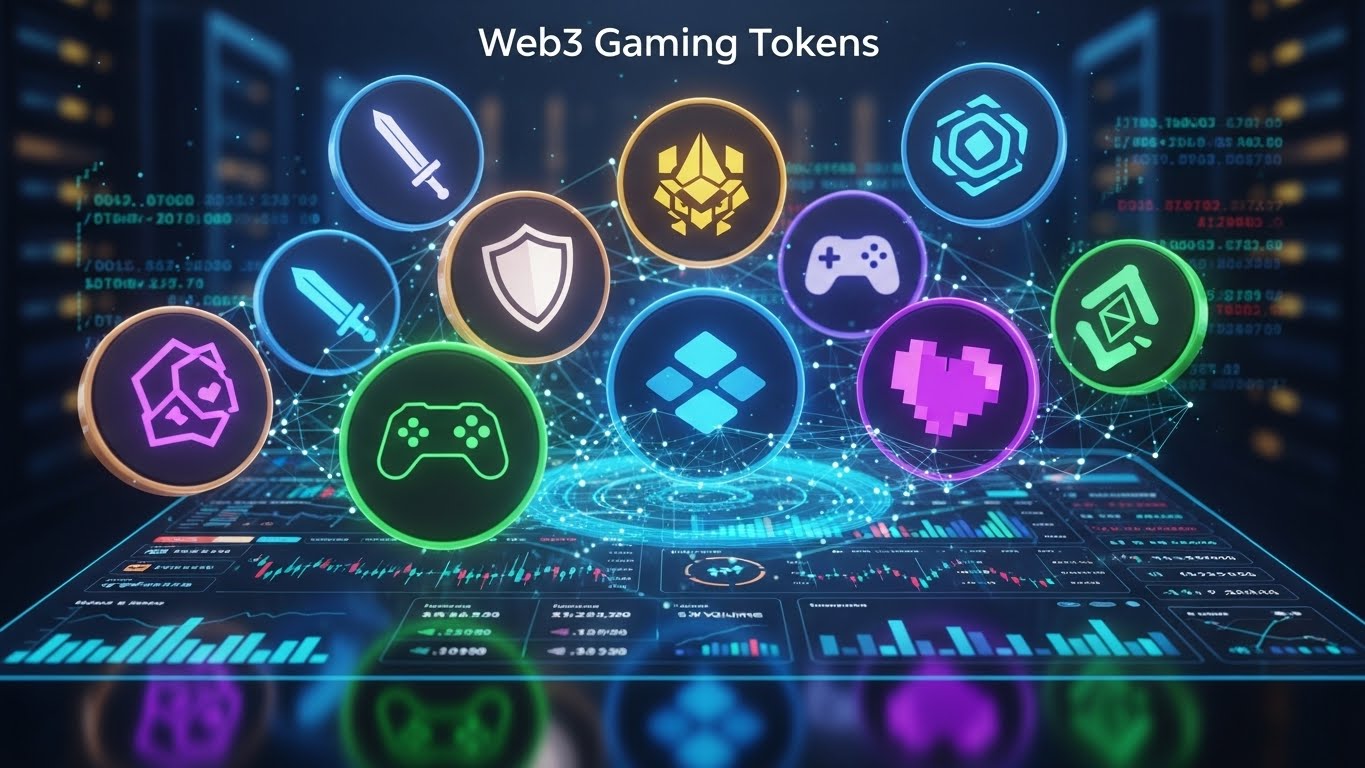
AI integration has become a critical driver of innovation in Web3 gaming. Artificial intelligence enhances gameplay by enabling adaptive narratives, intelligent non-player characters, and personalized experiences. These features increase player engagement and retention, which are essential for sustaining token demand over time. From a market perspective, AI-driven enhancements differentiate leading projects from competitors. Investors recognize that games leveraging AI have a stronger chance of achieving mainstream appeal, which directly impacts the valuation and performance of associated tokens.
AI and On-Chain Data Optimization
Beyond gameplay, AI is transforming how blockchain data is analyzed and utilized. In Web3 gaming ecosystems, AI algorithms optimize in-game economies, balance token supply and demand, and detect fraudulent behavior. This integration improves economic stability and transparency, addressing some of the concerns that plagued earlier gaming projects. The combination of artificial intelligence in crypto gaming and blockchain infrastructure creates a compelling narrative of efficiency and innovation. This synergy has played a significant role in driving December’s rally.
Investor Sentiment and Capital Rotation
From Speculation to Utility-Driven Assets
Investor sentiment has matured significantly since previous market cycles. While speculation remains part of the crypto landscape, there is growing emphasis on utility-driven assets with real-world applications. Web3 gaming tokens represent this shift by offering clear use cases tied to entertainment and digital economies. As capital rotates from purely speculative assets into sectors with measurable adoption, gaming tokens have benefited disproportionately. This trend suggests that the December rally is not merely a short-term spike but part of a broader reallocation toward sustainable crypto sectors.
Institutional Curiosity and Market Validation
Institutional observers have shown increasing interest in gaming and AI-driven blockchain projects. While widespread institutional participation may still be developing, the attention itself provides validation. Gaming is already a multi-billion-dollar industry, and blockchain-based gaming represents a natural extension into digital ownership and decentralized economies. This growing curiosity reinforces positive sentiment and contributes to the momentum behind Web3 gaming tokens during the rally.
Tokenomics and Sustainability in Web3 Gaming
Designing Balanced Economic Models
One of the critical factors behind the success of leading Web3 gaming tokens is improved tokenomics. Developers are designing economic models that balance rewards, scarcity, and utility. Tokens serve multiple functions, including governance, in-game transactions, and ecosystem incentives. These balanced models reduce inflationary pressure and promote long-term value retention. For investors, sustainable tokenomics are a key indicator of project viability, explaining why well-structured gaming tokens have outperformed in December.
Community Governance and Engagement
Decentralized governance plays an important role in Web3 gaming ecosystems. Token holders often participate in decision-making processes that shape game development, economic policies, and community initiatives. This engagement fosters loyalty and aligns incentives between developers and players. Strong communities enhance network effects, driving organic growth and reinforcing the market position of gaming tokens.
Broader Implications for the Crypto Market

Redefining Altcoin Rotations
The December rally led by Web3 gaming tokens signals a shift in how altcoin rotations unfold. Instead of rotating solely between infrastructure layers or speculative narratives, capital is flowing toward sectors that blend technology, culture, and user engagement. This redefinition suggests a more mature market structure. Gaming tokens, supported by AI integration, exemplify this evolution by combining multiple growth drivers into a single narrative.
The Convergence of Entertainment and Finance
Web3 gaming represents a convergence of entertainment and decentralized finance. In-game economies mirror financial systems, complete with markets, incentives, and governance. This convergence expands the scope of crypto adoption beyond traditional finance-focused use cases. As entertainment becomes a gateway to blockchain adoption, gaming tokens gain strategic importance within the broader crypto ecosystem.
Scalability and Technical Constraints
Despite the positive momentum, Web3 gaming faces scalability challenges. High transaction volumes, latency issues, and infrastructure limitations can hinder user experience. Addressing these constraints is essential for sustaining growth beyond speculative rallies. Projects that successfully integrate scalable solutions are more likely to maintain their leadership position.
Market Volatility and User Retention
Crypto markets remain volatile, and gaming tokens are not immune to price fluctuations. Sustaining user engagement during market downturns will be a key test for the sector. Long-term success depends on delivering compelling experiences that retain players regardless of market conditions. Understanding these risks helps investors maintain realistic expectations while evaluating opportunities.
The Future Outlook for Web3 Gaming and AI
Toward Mainstream Adoption
The integration of AI and blockchain positions Web3 gaming for mainstream adoption. As games become more immersive and accessible, they attract users who may not have previously engaged with crypto. This onboarding effect expands the market and strengthens the ecosystem. December’s rally may be an early signal of this transition, highlighting the sector’s long-term potential.
Continuous Innovation as a Growth Driver
Innovation remains the lifeblood of Web3 gaming. Ongoing advancements in AI, graphics, and decentralized infrastructure will shape the next generation of games. Projects that prioritize continuous improvement are better positioned to lead future market cycles. This emphasis on innovation reinforces why gaming tokens have emerged as leaders during the current rally.
Conclusion
Web3 gaming tokens leading December’s crypto rally reflects a deeper transformation within the digital asset market. The convergence of blockchain technology, immersive gaming experiences, and AI integration has created a powerful narrative that resonates with investors seeking utility, innovation, and growth. Unlike past speculative surges, this rally is grounded in evolving ecosystems that demonstrate real user engagement and sustainable economic models.
As AI continues to enhance gameplay and optimize on-chain economies, Web3 gaming tokens are likely to remain at the forefront of market shifts. While challenges remain, the sector’s ability to blend entertainment with decentralized finance positions it as a cornerstone of the next crypto cycle. December’s rally may well be remembered as the moment when Web3 gaming, powered by AI, redefined market leadership.
FAQs
Q: Why did Web3 gaming tokens outperform other crypto sectors in December?
Web3 gaming tokens outperformed because they combine multiple growth drivers, including active user engagement, evolving tokenomics, and AI integration. Investors rotated capital into sectors with tangible utility and long-term potential, making gaming tokens a natural leader during the rally.
Q: How does AI integration enhance the value of Web3 gaming tokens?
AI integration improves gameplay, personalization, and economic stability within gaming ecosystems. By increasing player retention and optimizing token economies, AI strengthens the fundamentals of Web3 gaming projects, which in turn supports token demand and market performance.
Q: Is the December rally in gaming tokens purely speculative?
While speculation plays a role in any crypto rally, the December surge in gaming tokens is supported by structural improvements and real adoption. Enhanced game design, sustainable tokenomics, and AI-driven innovation suggest that the rally reflects deeper market confidence rather than short-term hype alone.
Q: What risks should investors consider when evaluating Web3 gaming tokens?
Investors should consider risks such as technical scalability, market volatility, and user retention challenges. While the sector shows strong potential, long-term success depends on continuous innovation and the ability to maintain active player communities.
Q: Could Web3 gaming tokens lead future altcoin rotations?
Yes, Web3 gaming tokens are well-positioned to lead future altcoin rotations because they sit at the intersection of entertainment, blockchain, and AI. As these technologies continue to converge, gaming tokens may remain a central theme in upcoming crypto market cycles.
